The Complete Guide to Lichen Sclerosus Treatment: Steroids, Red Light Therapy, Lifestyle Changes, and Tissue Health
Lichen sclerosus can feel overwhelming. For many women, the diagnosis comes after months or even years of itching, burning, tearing, painful sex, repeated infections, or being told that their symptoms are “normal” or simply part of aging. By the time they finally receive a diagnosis, they are often left with more questions than answers.



Clear information. Thoughtful guidance. A more hopeful path forward.
For many women, the diagnosis comes after months or even years of itching, burning, tearing, painful sex, repeated infections, or being told that their symptoms are “normal” or simply part of aging. By the time they finally receive a diagnosis, they are often left with more questions than answers.
This guide was created to answer those questions. Inside, you’ll learn what lichen sclerosus is, why symptoms occur, how the condition can affect vulvar tissue over time, and what current treatment options are available.
We’ll explore topical steroids, lifestyle factors, emerging therapies, red light therapy, blue light therapy, handheld lasers, and the importance of personalized treatment plans. You’ll also learn why two women with the same diagnosis may require very different approaches, and why your symptoms, tissue changes, treatment history, and goals all matter when developing a plan.
My goal is not to sell you a miracle cure. It is to help you better understand your condition, become a more informed advocate for your health, and explore the treatment options that may be available to you.
Whether you were diagnosed yesterday or have been living with lichen sclerosus for years, I hope this guide helps you feel more informed, more confident, and more hopeful about what comes next.

What Is Lichen Sclerosus?
Lichen sclerosus is a chronic inflammatory skin condition that most commonly affects the vulva, although it can occur in other areas of the body. It is estimated to affect at least 1 in 100 women, though many experts believe the true number is significantly higher because the condition is frequently misdiagnosed or goes undetected for years.
For some women, symptoms begin gradually with occasional itching or irritation. Others experience tearing, burning, pain during sex, changes in skin color or texture, or a feeling that something simply isn’t right. Because many of these symptoms overlap with common conditions such as yeast infections, menopause-related changes, or dermatitis, it is not unusual for women to spend months or even years searching for answers before receiving a diagnosis.
Lichen sclerosus is generally considered an immune-mediated condition, meaning the immune system appears to play a role in the inflammatory process. It is also associated with a higher incidence of other autoimmune conditions, including thyroid disorders, vitiligo, alopecia areata, and autoimmune connective tissue diseases. While researchers continue to investigate the exact cause, most experts agree that genetics, immune function, hormones, and environmental factors likely all contribute.
One of the most important things to understand about lichen sclerosus is that it is not simply an itching condition. The itching may be what gets your attention, but the inflammation underneath the surface is what deserves your attention. Over time, ongoing inflammation can contribute to changes in the vulvar tissue itself. These changes may include whitening of the skin, thinning of delicate tissues, scarring, narrowing of the vaginal opening, fusion of structures, and changes in the appearance of the vulva. This is why early recognition and appropriate treatment matter, even when symptoms seem manageable.
The good news is that a diagnosis of lichen sclerosus does not mean you are powerless. Many women are able to significantly improve their symptoms, protect tissue health, reduce flare-ups, and maintain a high quality of life through a combination of medical treatment, lifestyle modifications, and supportive therapies.
Understanding the condition is the first step. Understanding what may be influencing your symptoms, and what options are available to you, is where things become far more interesting.
Why Lichen Sclerosus Causes Itching, Burning, Tearing, And Pain

One of the most frustrating aspects of lichen sclerosus is that symptoms can seem unpredictable. Some days you may barely notice them. Other days, the itching can feel relentless, the skin may burn, or simple activities such as sitting, exercising, walking, or having sex can become uncomfortable.
To understand why this happens, it helps to understand what is occurring beneath the surface of the skin. Lichen sclerosus is an inflammatory condition. When inflammation is present, the body releases a variety of chemical messengers that influence blood flow, immune activity, nerve sensitivity, and tissue repair. Among these are substances such as histamine and inflammatory cytokines, which can contribute to itching, irritation, and discomfort.
Over time, inflammation can also make the nerves in the area more sensitive, amplifying sensations that might normally be ignored. Friction from clothing, exercise, sexual activity, moisture, or even stress may then trigger symptoms that feel far more intense than expected.
Tearing occurs for a different reason. Healthy vulvar tissue is flexible and resilient. In lichen sclerosus, the outermost layer of the skin, the stratum corneum, can become thickened and hardened, while the tissue beneath it becomes thinner. Together, these changes reduce the tissue's normal flexibility and elasticity, making it more fragile and vulnerable to injury. Tissue thinning can also occur when potent topical steroids such as clobetasol are repeatedly applied to areas without active lesions. As a result, activities that would not normally cause injury can lead to small tears, irritation, or soreness. Many women notice this during intercourse, exercise, pelvic exams, or even routine daily activities. Burning may be related to active inflammation, urine contacting sensitive tissue, micro-tears, nerve sensitization, or several of these factors occurring at the same time.
This helps explain why symptoms often fluctuate. A flare is not always a sign that the condition has suddenly worsened. Sometimes it reflects changes in inflammation, stress levels, friction, hormone status, sleep quality, immune activity, or other factors that influence how the tissue is functioning on a given day.
Many women understandably become focused on stopping the itching. But a more useful question is: Why is the tissue irritated in the first place? The more we understand the factors contributing to inflammation, changes in tissue structure, and tissue vulnerability, the more opportunities we have to support healing, reduce symptoms, and improve long-term tissue health.
Why the itch can become a self‑reinforcing cycle
Inflammatory and immune signals activate mast cells within sensitive tissue.
Histamine and other chemical messengers contribute to itching and irritation.
Repeated signaling can make local nerves more reactive to friction and touch.
Itching and irritation can reinforce sensitivity and make symptoms feel persistent.
Scarring, Fusion, And Architectural Changes
One of the most important things to understand about lichen sclerosus is that symptoms and tissue changes do not always progress at the same rate. Some women experience severe itching or pain with relatively limited tissue changes, while others have few symptoms but develop significant changes to the vulvar tissue over time.
When inflammation remains active for prolonged periods, it can affect the structure and elasticity of the tissue. Over time, this may lead to scarring, narrowing, fusion, or other changes to the normal anatomy of the vulva.
Common architectural changes include
- Fusion of the labia minora
- Partial or complete burying of the clitoris beneath the clitoral hood
- Narrowing of the vaginal opening
- Loss of normal vulvar contours
- Areas of whitening, thickening, or thinning tissue
These changes often happen gradually and can be difficult to notice from day to day. Some women only recognize how much the tissue has changed when comparing photographs taken months or years apart.
For many women, the possibility of scarring or fusion is one of the most frightening aspects of lichen sclerosus. It can also create a sense that if the tissue is changing, they must be doing something wrong. That isn't the case. Lichen sclerosus is a chronic inflammatory condition, and tissue changes can occur even when someone is actively managing it.
This is why treatment should not focus only on whether the itching or pain has improved. Relieving symptoms matters, but so does protecting the long-term health, structure, and function of the vulvar tissue. Regular monitoring can help identify changes early and inform treatment decisions before they become more significant.
Inflammation and tissue architecture can change at different rates
Your lichen sclerosus treatment should be built around you
Lichen sclerosus can look very different from one woman to another. Your symptoms, tissue changes, treatment history, areas affected, and goals all matter when deciding what approach makes sense.
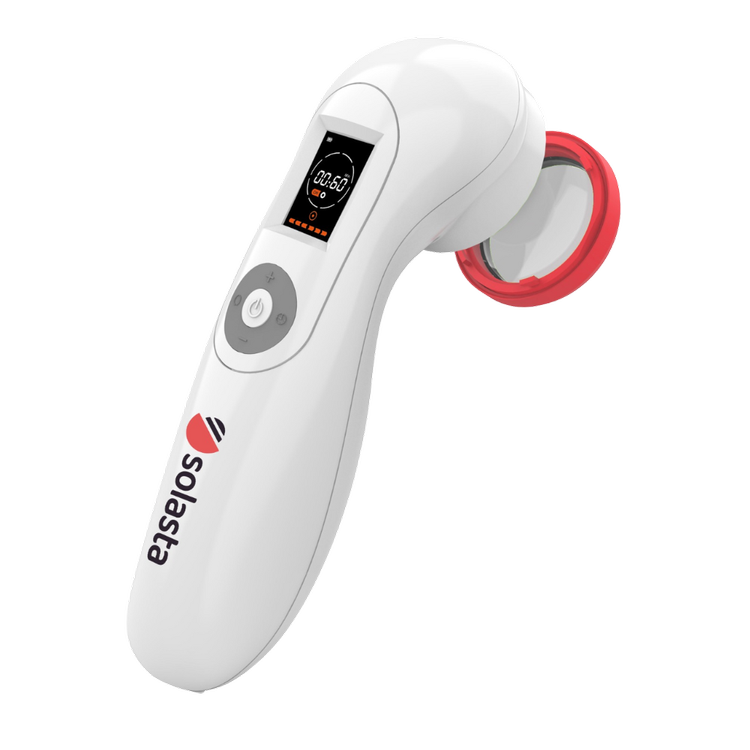
I use photobiomodulation as part of an individualized approach to LS care. Every Solasta Handheld Laser includes my personal review of your detailed assessment and a treatment protocol developed specifically for you.
 TRACY DONEGAN
BSc, RM, MSc Included
Sex, Intimacy, and Relationships After a Lichen Sclerosus Diagnosis
For many women, one of the most difficult parts of lichen sclerosus is what happens after the diagnosis. Concerns about tearing, pain, burning, changes in anatomy, or making symptoms worse can have a profound effect on sex and intimacy. Some women begin avoiding sexual activity altogether, not because they have lost interest, but because they are worried about pain, injury, or what they may experience afterward.
When tissue has become fragile or sensitive, the body can naturally begin to associate intimacy with discomfort. Over time, anticipating pain can create tension and protective guarding of the pelvic floor muscles, which may make sex even more uncomfortable. Some women also find themselves grieving changes in their body or worrying about how lichen sclerosus will affect their relationship.
Painful sex is not something you simply have to accept. Improving tissue health, reducing inflammation, addressing dryness, supporting hormonal health when appropriate, and treating pelvic floor dysfunction can all play a role in improving comfort over time.
Communication matters too. A partner may interpret avoiding intimacy as rejection when the reality is fear, discomfort, frustration, or uncertainty. Talking openly about symptoms, concerns, and what feels comfortable can reduce some of the pressure that lichen sclerosus can place on a relationship.
The goal is not simply to reduce symptoms. It is to protect comfort and function, rebuild confidence in your body, and make space for intimacy while the underlying tissue health is being addressed.
Current Medical Treatments for Lichen Sclerosus
If you have been diagnosed with lichen sclerosus, the first treatment your healthcare provider is likely to recommend is a topical corticosteroid. High-potency steroids such as clobetasol propionate remain the standard of care and have decades of clinical experience and research behind them.
Treatment usually begins more frequently during periods of active symptoms and is then adjusted to a maintenance schedule once the condition is better controlled. The goal is not simply to stop the itching. It is to reduce inflammation, improve symptoms, protect vulvar tissue, and lower the risk of long-term structural changes.
What to understand about medical treatment
Steroids remain the standard of care
Many women are understandably nervous about using steroids, particularly if they have heard concerns about skin thinning or long-term side effects. These concerns are worth discussing with your healthcare provider, but untreated lichen sclerosus carries risks of its own. When appropriately prescribed and monitored, topical corticosteroids remain an important part of long-term management for many women.
Feeling better does not always mean the inflammation is gone
A woman may experience significantly less itching while inflammatory activity is still present. Likewise, tissue changes can sometimes continue even when symptoms feel manageable. This is one reason ongoing follow-up matters and why symptoms alone do not always provide the full picture.
Treatment may involve more than one approach
Depending on your symptoms, medical history, and individual needs, treatment may also include topical calcineurin inhibitors, hormonal therapy when appropriate, vulvar skin care, pelvic floor therapy, lifestyle changes, photobiomodulation, or other supportive approaches.
The right treatment plan will look different from one woman to another. The aim is to control the disease while protecting tissue health, function, comfort, and quality of life over the long term.
Treat your lichen sclerosus with a plan built for you
Photobiomodulation gives us a way to target the cellular processes involved in inflammation, circulation, and tissue repair. When you purchase the Solasta Handheld Laser, I personally review your detailed LS assessment and develop your treatment protocol around your symptoms, tissue changes, treatment history, and goals.
Emerging And Experimental Treatments For Lichen Sclerosus
Research into lichen sclerosus continues to evolve. While topical corticosteroids remain the current standard of care, researchers and clinicians are exploring additional therapies for women whose symptoms remain difficult to manage or whose disease continues to progress despite appropriate treatment.
Some emerging treatments have early clinical evidence behind them, while others are supported primarily by case reports, clinical observations, or research in related inflammatory and autoimmune conditions. Two areas currently receiving attention are JAK inhibitors, which target specific inflammatory signaling pathways, and dopaminergic medications, which have been explored for their potential effects on inflammation, immune regulation, tissue permeability, and nervous system function.
These treatments are not yet considered standard therapy for lichen sclerosus, but they represent important areas of ongoing research.
JAK inhibition and photobiomodulation act through different biological routes
| Mechanism | JAK inhibitor (ruxolitinib) | PBM (red / NIR light) |
|---|---|---|
| Primary target | JAK1/JAK2 enzymes; blocks cytokine signal transmission | Cytochrome c oxidase in mitochondria; supports cellular energy |
| Effect on JAK-STAT | Direct blockade; prevents STAT phosphorylation | Modulates JAK-STAT indirectly via SOCS3 upregulation and Nrf2 activation |
| Effect on IFN-γ | Blocks downstream IFN-γ signaling | May reduce IFN-γ production in inflamed tissues |
| Anti-inflammatory pathways | JAK inhibition | Nrf2, NF-κB modulation, MAPK pathways, TGF-β |
| Effect on keratinocytes | Reduces JAK-driven stress response | Reduces TNF-α, IL-6, and IL-8; preserves Langerhans cell integrity |
| Effect on collagen | Reduces fibrosis-associated JAK/STAT activity | Supports collagen production and tissue-repair processes |
| Mast cells / itch | Indirect | May stabilize mast cells and influence histamine release |
| Long-term daily use | Medical supervision required | Home use requires an appropriate device and protocol |
Lifestyle Factors That Can Influence Lichen Sclerosus Symptoms
One of the most common questions I hear is, “What causes a lichen sclerosus flare?” The honest answer is that there is rarely a single trigger. Lichen sclerosus is a complex inflammatory condition, and what affects one woman may have little effect on someone else.
There are, however, several factors worth paying attention to because they can influence irritation, discomfort, and symptom severity.
 Friction and irritation
Tight clothing, prolonged cycling, certain forms of exercise, synthetic fabrics, and repeated rubbing can irritate already sensitive tissue. Even prolonged sitting can make a noticeable difference for some women.
 Personal care products
Scented soaps, bubble baths, feminine hygiene products, wipes, detergents, lubricants, and other products can aggravate sensitive vulvar tissue. Simplifying your routine may help reduce unnecessary irritation.
 Sleep and stress
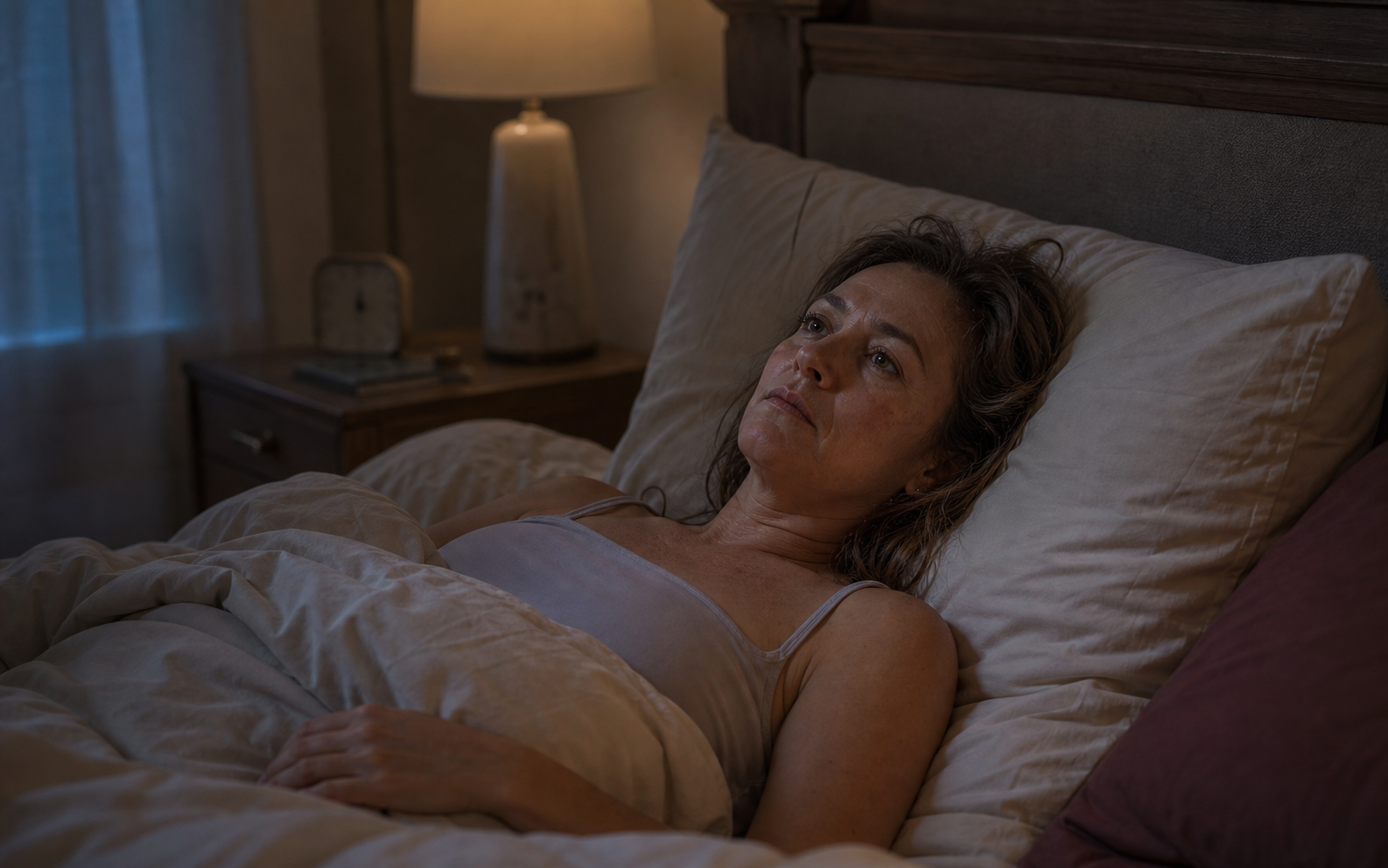
Stress does not cause lichen sclerosus, but many women report worsening symptoms during periods of increased stress. Poor sleep can also affect inflammation, immune function, pain perception, and recovery.
 Diet
DietThere is no single diet proven to treat lichen sclerosus. Some women identify foods that appear to worsen their symptoms, but responses vary considerably. Oxalates receive particular attention in lichen sclerosus communities, although the evidence remains limited.
 Constipation and pelvic floor tension
Chronic straining, bowel dysfunction, and a chronically tight or protective pelvic floor can contribute to discomfort. For some women, pelvic floor physical therapy may be an important part of care.
The goal is not to eliminate every possible trigger from your life. It is to understand which factors appear to influence your symptoms and make reasonable changes where they help.
Red Light Therapy For Lichen Sclerosus
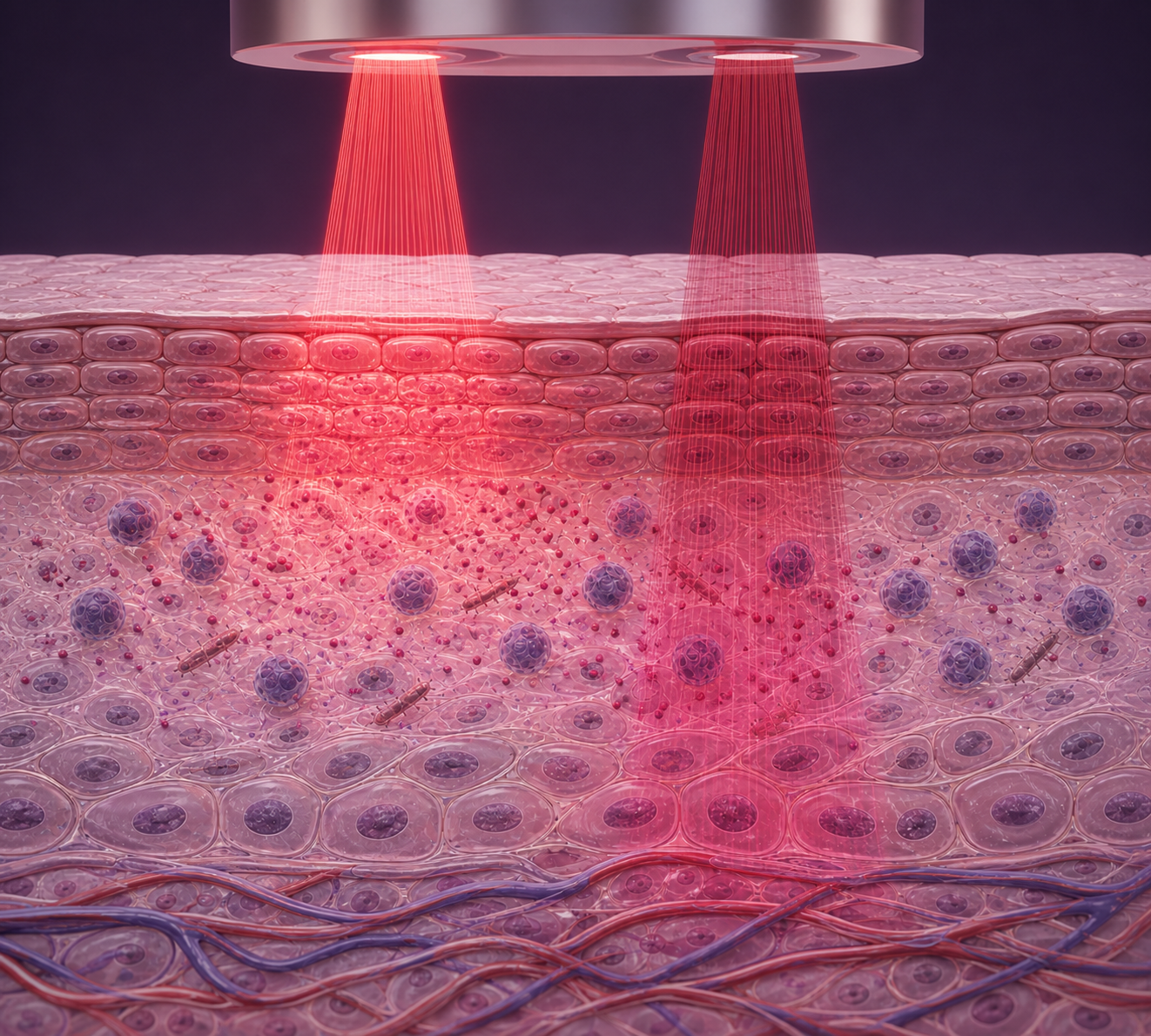
Photobiomodulation, often called red light therapy, uses specific wavelengths of red and near infrared light to influence cellular function. These wavelengths are absorbed by light sensitive molecules called chromophores, including cytochrome c oxidase within the mitochondria.
This interaction can influence mitochondrial activity and ATP production, while also affecting cellular signaling, oxidative stress, circulation, inflammatory pathways, and tissue repair. Rather than acting on a single symptom, photobiomodulation is being studied for its ability to influence several biological processes involved in how tissue functions, responds to inflammation, and repairs itself.
These responses may include
- Increased cellular energy production
- Improved circulation
- Modulation of inflammatory processes
- Support for tissue repair
- Improved cellular communication
- Reduction in oxidative stress
These mechanisms are particularly relevant to lichen sclerosus because the condition involves chronic inflammation, tissue fragility, altered repair, and changes to the structure and function of vulvar tissue over time. Photobiomodulation is therefore being investigated not simply as a way to reduce discomfort, but for its potential influence on the biological environment in which inflammation, tissue remodeling, and repair occur.
Research is still evolving around the most appropriate wavelengths, dosage, treatment schedules, treatment locations, and long term outcomes. These details matter because the biological effects of photobiomodulation depend heavily on how light is delivered.
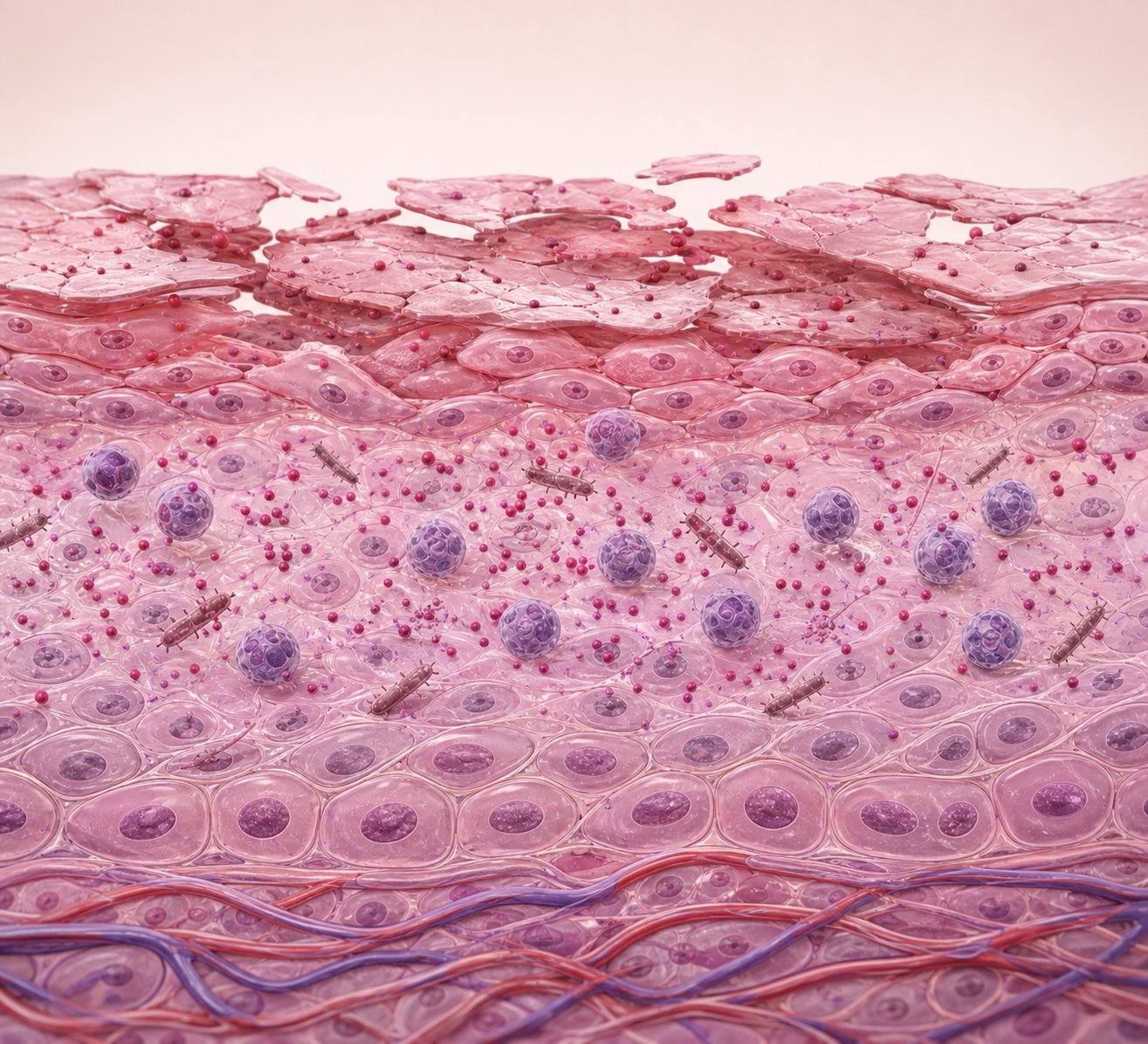
How chronic inflammation may influence the tissue environment
May influence genetic stability, gene expression, and abnormal cell processes.
Can affect cell membranes and contribute to epidermal tissue stress.
Can alter protein function and contribute to tissue remodeling.
Different outcomes were observed with clobetasol and photobiomodulation
| Feature / outcome | Clobetasol (steroid cream) | Red light therapy (PBM) |
|---|---|---|
| Itch reduction (4 weeks) | High relief (84% reduction) | Moderate relief (50% reduction) |
| Impact on skin tissue | Decreased skin thickness by 27.5% | Increased skin thickness by 49% |
| Duration of relief | Symptoms returned after approximately 2 months | Symptoms stayed away for approximately 4 months |
| Best used for | Immediate crisis / acute flares | Long-term tissue health and resilience |
* Read the published pilot study for methods, limitations, and complete findings.
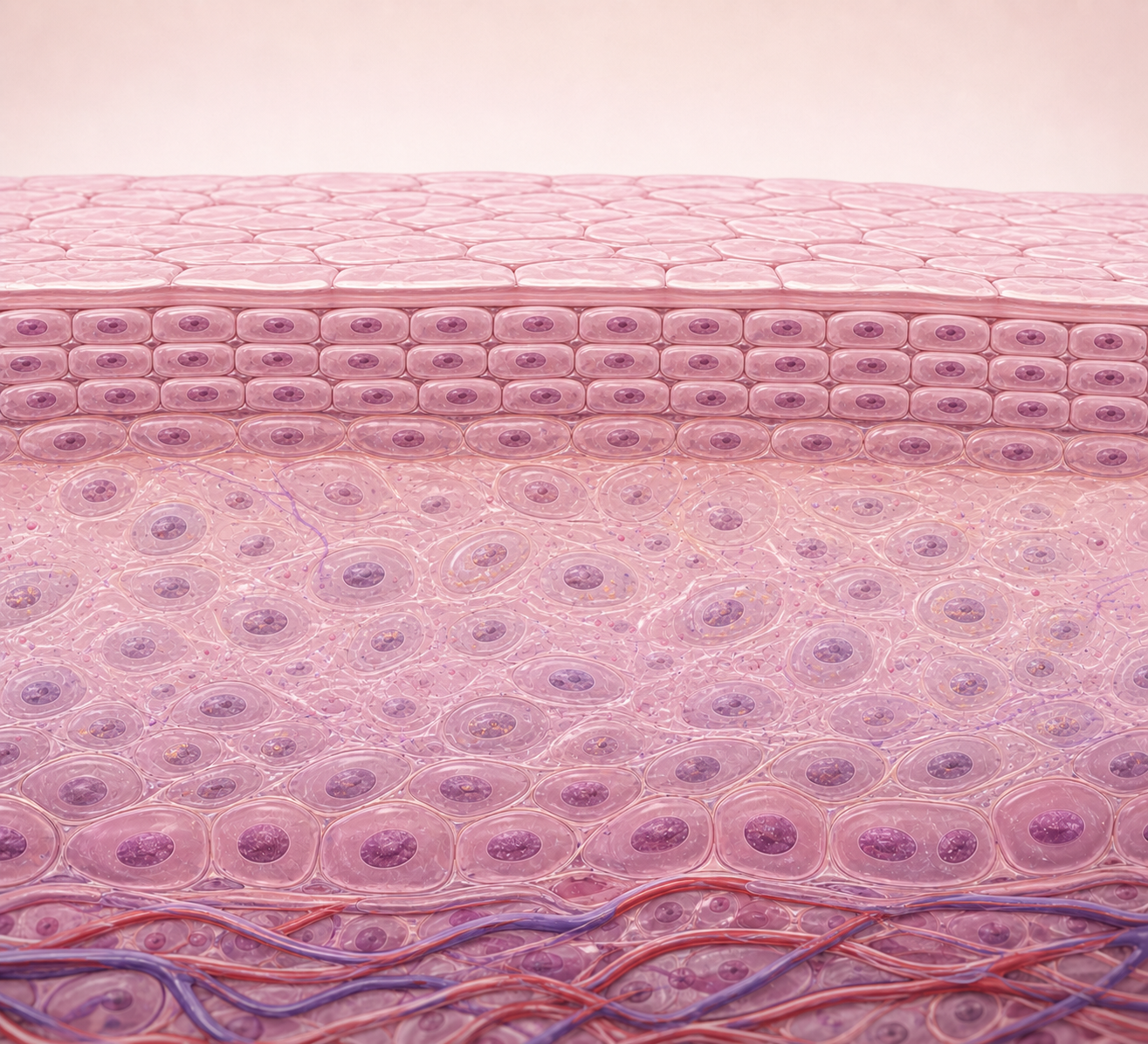
From an inflamed environment toward healthier tissue function
Photobiomodulation is being explored for its potential influence on cellular energy, circulation, inflammatory signaling, and the conditions that support tissue repair.
* Conceptual illustration only; it does not represent a guaranteed clinical outcome.
Red Light vs Near Infrared Light
Red and near infrared light are both used in photobiomodulation, but they do not interact with tissue in exactly the same way. Their different wavelengths affect how light is absorbed, how deeply it penetrates, and which tissues can be reached.
Red light is absorbed more readily in superficial tissue and has been studied for its effects on cellular function, circulation, inflammatory pathways, collagen production, and tissue repair.
Near infrared light penetrates more deeply and can deliver photobiomodulation beyond the superficial layers of the skin. It has also been studied for its effects on mitochondrial activity, circulation, inflammatory signaling, and tissue repair.
For lichen sclerosus, these differences matter because treatment is not focused on a single symptom. The condition can involve inflammation, tissue fragility, changes in skin structure, scarring, and altered tissue function. Using red and near infrared wavelengths allows treatment to address photobiomodulation at different tissue depths as part of the same protocol.
Red and near infrared light play different roles in treatment
Red light
620–700 nmSkin cells, capillaries, and superficial tissues
Shallow to moderate
Inflammation reduction, tissue repair, and circulation support
Itching, irritation, and tissue healing
Symptom management and tissue support
Near infrared
700–1100 nmMitochondria and deeper tissues
Deep
Cellular energy production, tissue remodeling, and circulation support
Chronic inflammation, sclerosis, and long-term tissue health
Deeper tissue support and resilience
The most powerful laser in its class for home use
Targeted laser therapy at home, with a personalized lichen sclerosus treatment protocol developed by me.
Why Device Specifications Matter
There are hundreds of devices sold as red light therapy, including panels, wraps, belts, masks, handheld devices, LEDs, and lasers. Many look similar and make similar claims, but the light they actually deliver can be very different.
Photobiomodulation research does not simply study “red light.” Researchers use specific wavelengths, power levels, treatment times, and doses for particular tissues and treatment goals. Those specifications determine what light reaches the tissue and how much energy is actually delivered.
Wavelength determines how light interacts with tissue and influences the depth it may reach.
Irradiance describes the amount of light energy reaching the treatment area at a given moment.
Dose combines irradiance and treatment time to describe the total amount of energy delivered.
The right wavelength alone is not enough. A device also needs sufficient irradiance and an appropriate treatment time to deliver a meaningful therapeutic dose.
* Device specifications work together. A useful wavelength alone does not guarantee that tissue receives an appropriate dose.
Choosing A Red Light Therapy Device For Lichen Sclerosus
The device I use when developing personalized photobiomodulation treatment protocols for lichen sclerosus is our Solasta Handheld Laser. It is a Class 3B therapeutic laser that delivers concentrated red and near infrared laser light to specific treatment areas as part of an individualized treatment protocol.
The device itself is only one part of the treatment approach. Treatment location, dose, frequency, progression, current symptoms, tissue changes, treatment history, and individual goals all influence how photobiomodulation is used. Someone primarily dealing with active inflammation and itching may require a different approach from someone focused on scarring, architectural changes, pain, or long term tissue health.
This is why I begin with a detailed assessment of the individual rather than a generic set of instructions for using the device. The question is not simply which device to use, but what are we trying to accomplish with it?
Targeting the biology behind lichen sclerosus
A growing body of research supports photobiomodulation for biological processes directly relevant to lichen sclerosus, including:
- Chronic inflammation
- Oxidative stress
- Impaired tissue repair
- Circulation
- Cellular energy
- Inflammatory signaling
- Tissue health
TRACY DONEGANBSc, RM, MSc Included
Common Patterns I See In Women With Lichen Sclerosus
Working with women across different ages, symptoms, and treatment histories, I see certain patterns again and again. Every woman's experience is different, but many face similar challenges in understanding what is happening, knowing what deserves attention, and finding an approach that works for them.
Delayed diagnosis
Many women spend far too long searching for answers. They may be treated repeatedly for yeast infections or told their symptoms are related to menopause, hormones, stress, or sensitive skin. By the time lichen sclerosus is identified, many are exhausted and frustrated by how long it took to get there.
Symptoms and tissue changes don't always match
When itching or discomfort improves, it is natural to assume the condition is improving too. But symptom severity and tissue health do not always move together. This is why monitoring tissue changes and maintaining appropriate follow up remain important even when symptoms feel manageable.
Fear can become part of the condition
I see women carrying significant fear about worsening symptoms, scarring, fusion, painful sex, cancer, or whether they have waited too long to improve their condition. Lichen sclerosus deserves to be taken seriously, but the worst case scenarios shared online do not represent every woman's experience. With appropriate care and ongoing management, meaningful improvements in symptoms, comfort, and quality of life are possible.
There is rarely one answer
Women often arrive searching for the one cream, supplement, procedure, or device that will solve everything. In my experience, the women who tend to do best take a broader view. They work with knowledgeable healthcare providers, pay attention to lifestyle factors, support tissue health consistently, monitor changes over time, and adjust their approach as their needs evolve.
Perhaps the most encouraging pattern I see is that women often have more options than they initially realize. Lichen sclerosus can be challenging, but a diagnosis does not mean the story is already written.
Why There Is No Single Lichen Sclerosus Treatment Plan
- Treatment history
- What has been tried, and how did you respond?
- Health factors
- Age, hormonal status, autoimmune conditions, and lifestyle factors.
- Priorities
- What concerns you most, and what are we trying to accomplish?
This becomes particularly important when considering therapies beyond standard medical management. Someone focused primarily on itching may need a different approach from someone concerned about preserving tissue architecture, sexual function, pain, or long term tissue health.
This is why I begin treatment planning by understanding the individual rather than selecting a therapy first. The treatment should fit the woman, not the other way around.
Why Your Assessment Matters
Women with lichen sclerosus may share the same diagnosis, but their symptoms, tissue changes, treatment history, and priorities can be very different. Before I develop a personalized protocol, I want to understand the person rather than simply the diagnosis.
I look at what symptoms you are experiencing, how they have changed over time, treatments you have already tried, hormonal and autoimmune factors, tissue changes, lifestyle factors, and what you most want to accomplish. Where helpful, photographs, biopsy reports, specialist notes, laboratory results, imaging, or other records can provide additional clinical context.
The purpose is not to collect information for its own sake. The more complete the picture, the more precisely I can determine how photobiomodulation should be used for you.
The quality of your protocol starts with the quality of the information
How A Personalized Lichen Sclerosus Protocol Is Created
Once your assessment is complete, I review everything you have shared to understand not just your diagnosis, but how lichen sclerosus is affecting you specifically.
Two women with the same diagnosis can need very different treatment approaches. One may be dealing primarily with severe itching and active inflammation. Another may have relatively few symptoms but significant tissue changes, scarring, or fusion. Someone newly diagnosed may need a very different approach from someone who has been managing lichen sclerosus for years.
My clinical review brings these different pieces together.
The assessment review considers:
- Current symptoms and severity
- How the condition has progressed
- Tissue changes, scarring, or fusion
- Previous treatments and response
- Medical and autoimmune history
- Hormonal considerations
- Lifestyle factors
- Photographs and supporting records when provided
- Individual concerns and treatment goals
If I need additional information or clarification before developing your protocol, I will contact you directly.
Your protocol is then built around what I find.
Your treatment areas, dose, session length, frequency, and progression are selected based on your assessment and the specific issues we are trying to address.
That means personalization goes far beyond putting your name on a standard treatment schedule. A protocol focused primarily on active itching and inflammation may look very different from one designed around progressive tissue changes, scarring, fusion, pain, or long term tissue health.
Your protocol also includes my clinical interpretation of the information you provided, including other factors I believe may be relevant to your symptoms or treatment goals.
The goal is to give you clear direction about what we are treating, why we are treating it, and exactly how photobiomodulation should be used in your circumstances.
From purchase to your personalized protocol
After your purchase, we’ll guide you through the next steps to begin your personalized treatment process.
Provide thoughtful, detailed information to give Tracy the clearest possible picture of your individual circumstances.
Within 5 to 7 days, you’ll receive Tracy’s clinical review and your individualized treatment protocol.
* We coordinate device shipping with protocol delivery so you can begin treatment as soon as your laser arrives.
Why treatment-specific protocols are essential
Laser therapy outcomes depend on wavelength, power, placement, timing, and frequency. Different conditions and tissues require different approaches, which is why copying a generic routine or simply using more light does not necessarily produce better results.
In this short video, I explain why correct placement and dosing matter, how treatment protocols are informed by published research and clinical standards, and why I develop specific guidance for the individual and condition being treated.

What To Do If You Are Considering Red Light Therapy For Lichen Sclerosus
By this point, you may be wondering whether red light therapy deserves a place in your own treatment plan. Photobiomodulation is gaining significant interest because of its potential effects on inflammation, circulation, cellular energy production, and tissue health, but whether it makes sense for you depends on what you are trying to accomplish.
The first question is what you want treatment to accomplish. For some women, the primary goal may be reducing itching or discomfort. Others may be more focused on tissue health, sexual function, scarring, architectural changes, or long-term support for vulvar tissue.
The device itself is only one part of the treatment. Treatment area, wavelength, dose, frequency, session length, and progression can all influence how photobiomodulation is used and the response someone may experience. It is not simply about shining light on tissue, but delivering an appropriate dose of light to the right area as part of a treatment strategy designed around the individual.
Meaningful improvement also takes time. Many women have spent years searching for answers before receiving a lichen sclerosus diagnosis, and chronic tissue changes and inflammatory processes rarely reverse overnight. Consistency and a long-term perspective matter, particularly when photobiomodulation is being used as one part of a broader treatment approach.
What a Comprehensive Treatment Plan May Include
- Medical treatment
Steroids, hormones, medications, specialist care, and ongoing monitoring.
- Tissue health
Skin protection, moisture, friction, scarring, fusion, and architectural changes.
- Hormonal + immune factors
Menopause, estrogen status, autoimmune conditions, thyroid health, and inflammation.
- Lifestyle + triggers
Clothing, grooming, exercise, stress, sleep, diet, and other individual triggers.
- Pelvic + sexual health
Pelvic floor function, painful sex, tearing, narrowing, and changes affecting intimacy.
- Photobiomodulation
Treatment areas, dose, frequency, progression, and response over time.
Not every woman needs support in every one of these areas. Someone dealing primarily with itching and active inflammation may need a very different approach from someone experiencing progressive fusion or other architectural changes with relatively few symptoms.
This is why I look beyond the diagnosis itself. Your symptoms, tissue changes, medical treatment, hormones, health history, lifestyle, and treatment goals all help determine what deserves attention and where photobiomodulation may fit.
The goal is not to add more treatments. It is to identify what matters in your particular case.
Less itching. Less burning. Less pain.
Relieve the symptoms disrupting your life, support healthier, more resilient vulvar tissue, and help prevent further scarring and structural changes.
Frequently Asked Questions About Lichen Sclerosus Treatment
Additional Resources For Women Living With Lichen Sclerosus
The internet contains no shortage of information about lichen sclerosus. The challenge is knowing which resources are evidence-informed, practical, and worth your time.
The resources below include additional educational articles, research studies, and community resources that may help you continue learning about lichen sclerosus, photobiomodulation, vulvar health, and emerging treatment approaches.
Additional Reading from Tracy Donegan
These articles expand on topics discussed throughout this guide, including itching, inflammation, red light therapy, pelvic health, and emerging treatment approaches.
- How to Stop Lichen Sclerosus Itching: Red and Blue Light Therapy at Home
- Red Light Therapy and Vulvar Lichen Sclerosus
- Lichen Sclerosus Treatment: Combining Red Light and Adderall
- Why the Silence About Pelvic Red Light Therapy? (The Truth Behind the Reviews)
- Red Light Therapy for DIV: Natural Support for Chronic Vaginal Inflammation
Selected Research References
The following studies and publications were selected because they are directly relevant to topics discussed throughout this guide, including photobiomodulation, vulvar lichen sclerosus, and emerging treatment approaches.
Community Resources
For some women, connecting with others living with lichen sclerosus can be just as valuable as reading research papers. Community resources can provide practical insights, shared experiences, and ongoing support.
Next Steps
If there is one thing I hope you take away from this guide, it is this: a diagnosis of lichen sclerosus does not mean you are out of options.
For many women, one of the hardest parts is the uncertainty. Why are these symptoms happening? Will they get worse? Which changes should I be concerned about? Which treatments are worth pursuing?
Knowledge cannot remove every uncertainty, but it can help you make better decisions about your care. The more you understand your symptoms, tissue changes, treatment options, and what influences your condition, the easier it becomes to decide what deserves your attention.
Whether your care includes standard medical treatment, lifestyle changes, photobiomodulation, or a combination of approaches, the goal is to build a treatment plan around what your body actually needs.
Your treatment should support what matters most
- Protect tissue health
- Reduce inflammation and symptoms
- Preserve comfort and function
- Support sexual health and quality of life
- Prevent or limit further tissue changes
- Maintain improvements over time
If you decide to include photobiomodulation in your treatment plan, the device is only part of the equation. Where you treat, how much light is delivered, how often you treat, and how treatment progresses all matter.
When you purchase a Solasta Handheld Laser through tracydonegan.org, you will complete a detailed assessment covering your symptoms, tissue changes, diagnosis, treatment history, hormones, overall health, lifestyle factors, supporting records, and treatment goals.
I personally review that information and provide a clinical review explaining what I see as most relevant to your situation. I then use your assessment to develop your personalized photobiomodulation protocol, including your treatment areas, dosing, frequency, and progression.
Still Not Sure What Is Right For You?
If you are interested in photobiomodulation but still have questions about whether it is appropriate for your situation, you can schedule a private consultation with me.
We can discuss your symptoms, treatment history, goals, current care, and any questions you still have. The purpose is to help you understand your options and decide what makes sense for you, not to convince you to purchase a device.
You do not need to have every answer today, and you do not need to try every treatment you encounter.
Start with what you know. Pay attention to changes. Ask questions. Work with healthcare professionals you trust. And give yourself permission to adjust your approach as your needs change.
Lichen sclerosus requires ongoing attention, but it does not have to mean constantly searching for the next answer. The goal is to understand your condition well enough to make thoughtful decisions about your care over time.
Turn what you’ve learned into a treatment plan built for you
Your lichen sclerosus is individual. Your treatment should be too. Purchase the Solasta Handheld Laser and complete your detailed assessment. I’ll personally review your symptoms, tissue changes, treatment history, health factors, and goals, then develop your personalized photobiomodulation treatment protocol.
Still unsure whether photobiomodulation is right for you? Book a private consultation and we can talk through your situation and options together.
TRACY DONEGANBSc, RM, MSc Included