Menopause, Pelvic Pain, and Red Light Therapy
End Pelvic Pain with Red Light Therapy: A Guide for Menopause & Beyond
Updated June 2026
Menopause is not “just hot flashes and done.” It is a whole‑body transition that can hijack sleep, mood, sex, joints, bladder and brain in ways that surprise even the most health‑literate women. One day you feel more or less yourself; the next you are wide awake at 3 a.m., joints aching, brain humming, vulva burning, wondering how much of this is “just hormones” and how much you’re expected to simply tolerate.
On top of the classic hot flashes and night sweats, many women quietly deal with:
· Vaginal dryness, burning, and tissue thinning (atrophy)
· Pain with sitting or sex
· Bladder urgency or small leaks with a full bladder, coughing, or sneezing
· Recurrent “UTI‑like” irritation despite negative cultures
· Pelvic heaviness, cramping, or that “bloating and aching” feeling
· Sleep destroyed by bathroom trips and discomfort
Genitourinary syndrome of menopause (GSM) is the umbrella term that pulls all of this together: vulvar and vaginal changes plus urinary symptoms driven by low estrogen. Local vaginal estrogen, DHEA, moisturizers, lubricants and pelvic floor work are the guideline‑supported foundation for GSM. But for many women, that isn’t enough, isn’t tolerated, or isn’t even offered. That is where pelvic photobiomodulation (PBM) comes in not as a magic wand, and not as a replacement for hormones but as a careful, non‑ablative, light‑based support for tissues that are struggling under low estrogen.
What Pelvic Photobiomodulation Actually is (and is not)
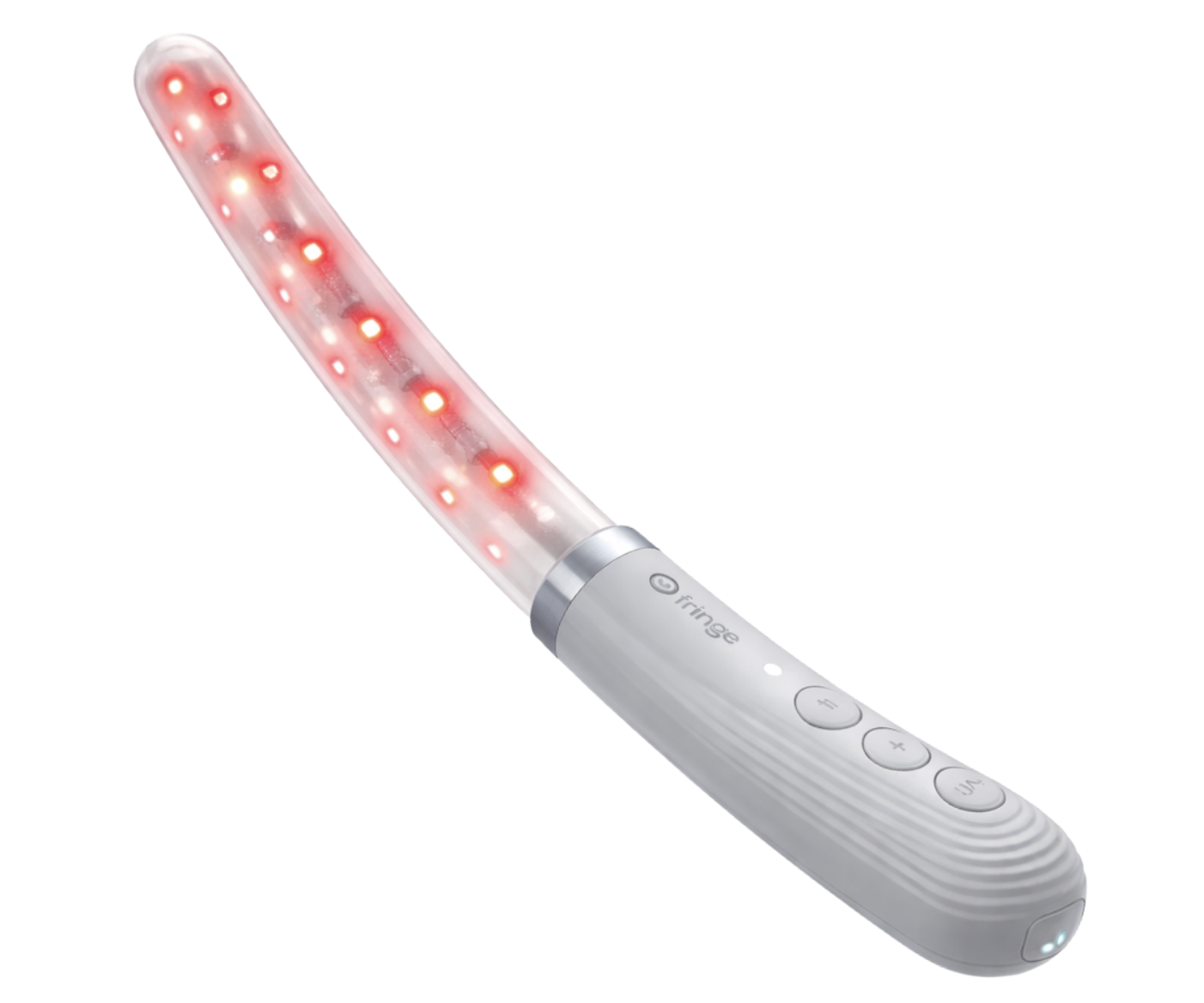
Photobiomodulation/red light therapy uses specific, non‑heating wavelengths of red and near‑infrared light to support cell function - improving mitochondrial energy production, blood flow, and tissue repair while calming inflammation. In sports medicine and wound care, PBM is well established; in GSM and pelvic pain it is emerging, with promising but still limited data.
Important distinctions:
· Non‑ablative vs. ablative energy
o Ablative CO₂ and Er:YAG lasers physically vaporize or injure tissue to trigger repair.
o Non‑ablative PBM - whether by low‑level laser or LED - does not burn or remove tissue; it aims to nudge cell metabolism and microcirculation.
· Laser vs. LED
o Most GSM studies to date use non‑ablative lasers in clinic settings; early results show symptom improvement, but evidence quality is low and major guidelines still call energy‑based therapies investigational.
o LED‑based PBM is now being tested for GSM and pelvic floor function as well, including protocols that combine pelvic floor muscle training with an intravaginal red LED device.
Bottom line: pelvic PBM is helping so many women I work with. But it needs to sit on top of - not instead of - careful GSM assessment, guideline‑based therapies, and pelvic floor support. (Although experimental, the clients I work with tend to see a significant reduction in symptoms within about 4 weeks with consistent use). It can take longer for women with a complicated medical history especially when nerve pain is involved.
Why Pelvic Light Therapy Matters in Menopause
For many menopausal women, especially those who:
· Cannot take systemic HRT.
· Are cautious about any hormone use.
· Have persistent GSM symptoms despite moisturizers and local estrogen/DHEA.
· Live with pelvic pain, vestibulodynia‑like burning, or bladder urgency.
Red light therapy offers a non‑hormonal, non‑ablative, home‑based way to support tissue health. Early clinical work with non‑ablative lasers and pilot LED protocols has shown:
· Improvements in dryness, burning, dyspareunia and GSM symptom scores.
· Better vaginal health index and histologic markers such as epithelial thickness and vascularity.
· Good short‑term safety with minimal adverse events when used under protocolled conditions.
These studies are not definitive, and major GSM guidelines correctly emphasize that laser and energy‑based treatments are still considered investigational outside trials. But they do provide a scientifically plausible and increasingly tested rationale for using PBM as a carefully dosed adjunct for GSM, especially for complex or hormone‑limited cases
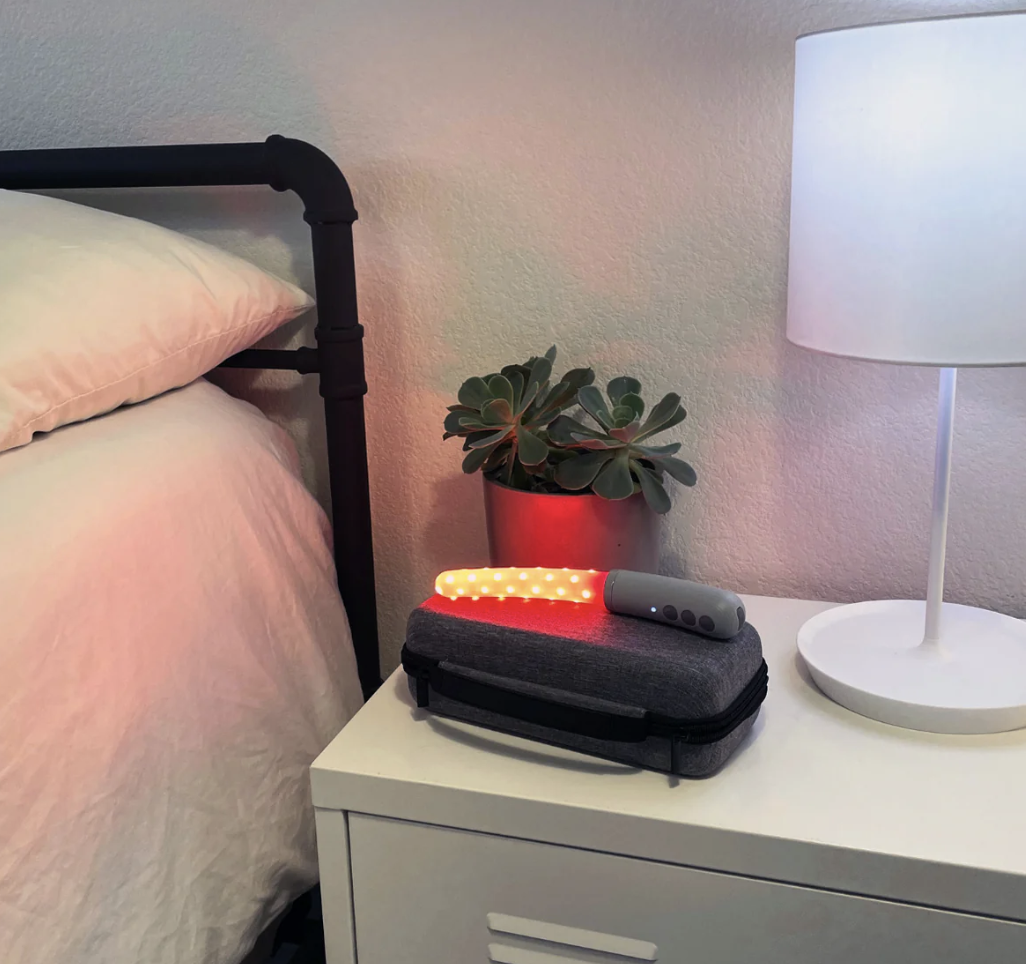
Purchase your red light pelvic wand here and receive your personalised protocol.
https://www.tracydonegan.org/light-therapy-pelvic-wand
Why my pelvic light protocols are not “plug and play”
Most home devices are sold with a single, generic protocol - “X minutes, Y times per week” - regardless of history. That is not how I work.
When someone buys a pelvic wand through me, they complete a detailed pelvic health and menopause intake. From there, I design a personalized, progressive PBM protocol that considers:
· Symptom pattern (itching vs. raw burning vs. deep ache vs. urgency)
· Pain triggers (sitting, sex, spicy foods, dehydration, bladder fullness)
· Current GSM treatments (vaginal estrogen/DHEA, moisturizers, PFPT, medications)
· Surgical history (hysterectomy, precancerous biopsies, pelvic surgeries)
· Cancer history or active “watch and wait” findings, where PBM may be limited or avoided over certain areas
· Sleep, stress load, exercise and daylight exposure
Instead of handing out a generic “X minutes, Y times per week” schedule, each plan is built around your health history. I look at where your symptoms are most active (vulva, vagina, bladder, pelvic floor, or all of the above), how sensitive your tissues are, what treatments you’re already using, and any red flags in your history (like recent surgery, cancer, or complex pain conditions). From there, I create a phased plan that sets where to apply light, how often to use it, and which wand modes to lean on first, always starting gently and adjusting only as we see how your body responds over time. Someone with severe burning and sleep‑disturbing itch will have a very different approach than someone whose main concern is “I’m leaking when I sneeze,” and women with a history of hormone‑sensitive cancer or pelvic masses have even more tailored boundaries and coordination with their medical team.
This is not a “one‑size‑fits‑all” protocol. A woman with raw vestibular burning and nocturnal itch gets a very different plan to someone whose main complaint is urgency and fear of future incontinence. A woman just out of treatment for hormone‑sensitive cancer will have tighter boundaries and closer liaison with her oncology team than someone with uncomplicated GSM.
Where Red Light Therapy Fits with Hormones
Current GSM guidelines are very clear:
· First‑line: non‑hormonal moisturizers and lubricants.
· Most effective: low‑dose local vaginal estrogen (and, for some women, vaginal DHEA or ospemifene) for dryness, pain with sex, and many urinary symptoms.
· Pelvic floor muscle training: a core conservative treatment for stress and mixed urinary incontinence and urgency.
· Energy‑based therapies (including laser/PBM): not yet recommended as routine GSM treatment; considered experimental outside of clinical trials.
My pelvic light protocols are built to respect and reinforce this:
· If a woman is already on local estrogen and improving, PBM is used to support comfort, tissue resilience, and pelvic floor function - not to “replace” estrogen.
· If hormones are contraindicated or declined, PBM is offered as a thoughtful, safety‑conscious adjunct alongside moisturizers, lubricants, pelvic floor work and lifestyle changes.
· If there is active cancer, a suspicious pelvic mass, or unclear pathology, PBM is either deferred over that region or used only under specialist oversight.
If you are considering pelvic light therapy in menopause
If you’re curious about pelvic PBM, there’s a few non‑negotiables:
· Get a proper GSM work‑up: vulvar and vaginal exam, infection rule‑out, pelvic floor assessment, honest talk about sex and bladder.
· Discuss local estrogen/DHEA and moisturizers before assuming they are off the table; many women are told “you can’t have hormones” without a nuanced conversation about local vs systemic options.
· Think of red light therapy as rehab, not spot treatment: consistent, low - medium dose over weeks, with realistic expectations, not a one‑off miracle session.
· Avoid any device or protocol that promises results without asking about your history, medications, surgeries or cancer risk.
When someone works with me and the Fringe pelvic wand, they receive:
· A detailed health history review.
· A custom 8 - 12 week protocol that changes over time and is based on your symptoms. If we’re not seeing significant improvements within about 4 weeks we adjust the protocol.
· Clear guidance on when to pause, when to contact a clinician, and how to integrate PBM with existing GSM treatments.
You’ll also receive access to a guided pelvic floor training audio that’s designed to pair with your personalized light therapy protocol. You can listen during or after your sessions to help you connect with your pelvic floor, breathe more easily, and build strength and coordination over time, so we’re supporting your tissues with light and your muscles with smart, evidence-informed movement at the same time.
PBM is not a cure‑all or a substitute for hormone therapy where that is appropriate. It is one more tool - science‑informed, carefully dosed, and individualized - that can help menopausal women feel more comfortable in their own body again.
If you are living with GSM, pelvic pain or bladder symptoms and feel like you have fallen through the cracks, you deserve more than “just live with it.” Thoughtful pelvic light therapy, layered onto proper GSM care, is one of the emerging options that can be built around your history, not a generic protocol.
June 2026 Updates
A brand‑new 2026 study put intravaginal red‑light therapy to the test in 27 postmenopausal women with GSM - and the results were striking. After eight weekly 30‑minute sessions of low‑level 660‑nm light delivered via a soft silicone vaginal probe, 100% of participants had reversed vaginal atrophy, with Vaginal Health Index scores in the non‑atrophic range at 3‑month follow‑up. Women also reported better bladder symptoms and meaningful gains in sexual function, with the clearest improvements in orgasm and overall satisfaction, and there were no adverse events. It’s an early, uncontrolled study, but it makes a compelling case that intravaginal red light therapy can be a powerful non‑hormonal ally alongside gold‑standard treatments like vaginal estrogen.
Frequently Asked Questions: Red Light Therapy for Pelvic Health
1. Does Red Light Therapy help with menopause-related vaginal dryness? Yes. Red light therapy (photobiomodulation) stimulates blood flow and cellular repair in the vaginal tissues. By increasing collagen production and improving circulation, it can help restore natural moisture and elasticity, providing a non-hormonal alternative to estrogen creams.
2. How long does it take to see results for pelvic pain? While some users experience a reduction in inflammation after just a few sessions, chronic pelvic pain typically requires consistent use. Most clinical studies show significant improvement after 4 to 8 weeks of regular use (3 - 5 times per week).
3. Is Red Light Therapy safe to use internally? Yes, when using a device specifically designed for pelvic health, such as a medical-grade red light wand. These devices use "cold" LED technology, meaning they do not emit heat that could damage sensitive mucosal tissues. However, always ensure the device is cleared for internal use and follow the manufacturer’s cleaning protocols.
4. Can I use Red Light Therapy if I have Endometriosis or PCOS? Red light therapy is widely used to manage the systemic inflammation and chronic pain associated with Endometriosis and PCOS. By reducing inflammatory markers and improving mitochondrial function, it can help soothe pelvic floor tension and cramping. Note: Always consult your specialist before starting a new therapy for these conditions.
5. How is Red Light Therapy different from a heating pad? A heating pad provides superficial topical heat which can temporarily relax muscles. Red light therapy uses specific wavelengths (Red and Near-Infrared) that penetrate deep into the tissue to trigger a chemical reaction at the cellular level, actually repairing the tissue rather than just masking the pain.
6. Can Red Light Therapy help with urinary urgency or "leaky bladder"? By strengthening the cellular health of the pelvic floor muscles and improving the integrity of the vaginal wall, many women find that red light therapy helps reduce the frequency of urinary urgency and supports overall bladder control, especially when combined with pelvic floor physical therapy.
Hope you found this helpful.
Tracy
Learn more about pelvic light therapy:
https://blog.tracydonegan.org/blog/compare-red-light-therapy-vaginal-wands
Additional Resources:
1. https://pmc.ncbi.nlm.nih.gov/articles/PMC11611114/
2. https://journals.sagepub.com/doi/10.1089/photob.2019.4618
4. https://www.med.unc.edu/urology/new-aua-guideline-on-gsm-highlights-urologys-role-in-menopause-care/
6. https://www.auajournals.org/doi/10.1097/JU.0000000000004589
8. https://pubmed.ncbi.nlm.nih.gov/39381344/
9. https://www.frontiersin.org/journals/medicine/articles/10.3389/fmed.2025.1574646/full
10. https://becarispublishing.com/doi/10.2217/cer-2021-0281
11. https://journals.plos.org/plosone/article/file?id=10.1371%2Fjournal.pone.0313324&type=printable
13. https://rbc.inca.gov.br/index.php/revista/article/download/5333/4184
14. https://blog.tracydonegan.org/blog/best-red-light-pelvic-wand-for-women
15. https://blog.tracydonegan.org/blog/vaginal-red-light-therapy
16. https://www.youtube.com/watch?v=jwy6iVVITNw
17. https://pubmed.ncbi.nlm.nih.gov/39615241/
18. https://pmc.ncbi.nlm.nih.gov/articles/PMC10301414/
19. https://polscientific.com/journal/Bladder/11/4/10.14440/bladder.2024.0032
20. https://pmc.ncbi.nlm.nih.gov/articles/PMC11634279/
21. https://www.tracydonegan.org/light-therapy-pelvic-wand
https://journals.plos.org/plosone/article?id=10.1371%2Fjournal.pone.0351765