Table of Contents:
So What is a Red Light Pelvic Wand?
Red Light Pelvic Wands, Near-Infrared Light, and Fertility
Which Red Light Devices Actually Work for Fertility Support
Red Light Pelvic Wands for Menopause
Breastfeeding, Hormonal Shifts, and Vaginal Tissue
Blue Light Therapy for Vaginal Health, Yeast Infections, and BV
Why I Recommend the Fringe Pelvic Wand
A Note on Pelvic Floor and Vaginal Health
About the Author
Hi, I’m Tracy Donegan. I’m a midwife, researcher, and founder of multiple women’s health technology companies.
Over the past two years, I’ve focused my research and continuing education almost entirely on red light therapy, specifically how it impacts female sexual health, fertility, hormone health, and pelvic pain. My work includes clinical use of red light therapy in practice, meta-analyses of peer-reviewed studies, and protocol development for red light therapy clients at my clinic in Round Rock, Texas, as well as for customers who purchase red light therapy devices through my web store.
Choosing the right device is only part of the equation. Knowing how to use it correctly, based on available research and clinical context, is often the harder part. That’s where I come in, providing treatment protocols grounded in evidence and real-world clinical experience.

Tracy Donegan, BSc, RM, MSc
So What Is a Red Light Pelvic Wand?
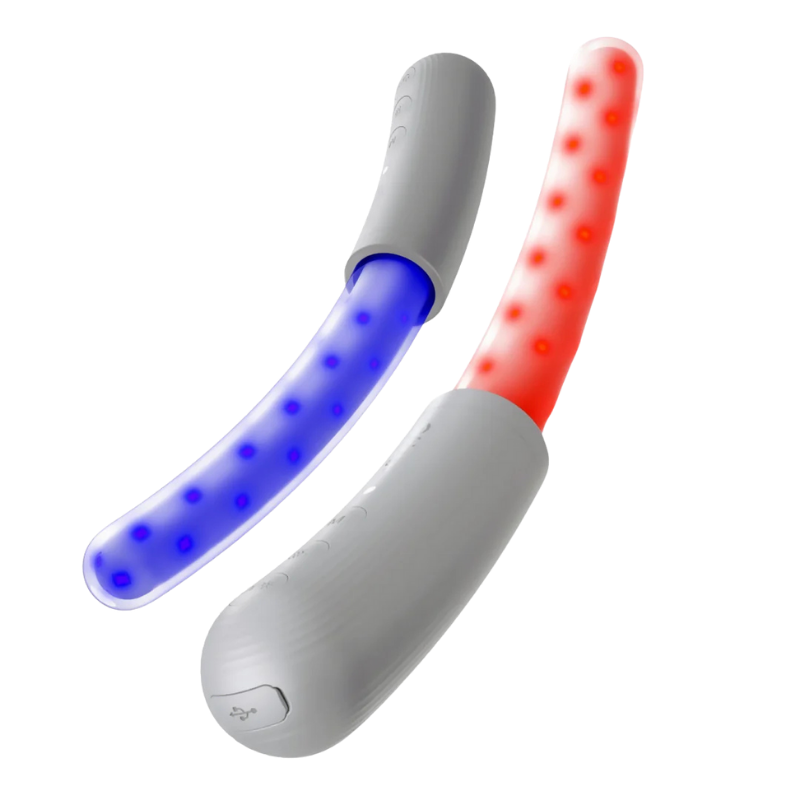
A red light pelvic wand is a hand-held photobiomodulation device designed to deliver targeted red and near-infrared light directly to vaginal and pelvic tissues. These devices are used internally or externally to deliver precise wavelengths of light to tissue that plays a central role in sexual function, hormone signaling, circulation, and pain regulation. This type of device is also commonly referred to as a vaginal wand, since it is designed for internal vaginal use as well as external pelvic application.
Red and near-infrared wavelengths increase cellular energy production, improve local blood flow, and modulate inflammatory pathways. In vaginal and pelvic tissue, these effects translate into improved tissue resilience, increased lubrication, healthier collagen structure, reduced pain sensitivity, and improved neuromuscular function. This is why red light pelvic wands are used in clinical contexts related to sexual health, postpartum recovery, perimenopause, menopause, and fertility support.
For women with fibroids, pelvic light therapy addresses several of the underlying tissue and vascular factors that contribute to pain, pelvic pressure, and chronic inflammation, which I explore in more depth in a dedicated article on fibroids and red light therapy.
Red Light Pelvic Wands, Near-Infrared Light, and Fertility
Supporting fertility with light therapy requires more than simply placing a device near the pelvis. The ovaries, uterus, and fallopian tubes are located deep within the body, behind layers of muscle and connective tissue. Reaching these structures effectively depends on wavelength selection and delivery method.
Near-infrared (NIR) light penetrates tissue more deeply than visible red light, which is why it is used in clinical studies examining photobiomodulation and reproductive health. NIR wavelengths are capable of reaching pelvic organs involved in ovulation, implantation, and uterine blood flow, making them particularly relevant in fertility-focused applications.
This distinction matters when evaluating devices. The Fringe pelvic wand is designed to deliver near-infrared wavelengths intravaginally, aligning with the parameters used in published research on fertility and photobiomodulation. This is not anecdotal wellness advice or influencer-led experimentation. It is a targeted application of light therapy based on tissue depth, wavelength behavior, and clinical evidence.
Which Red Light Devices Actually Work for Fertility Support
Not all red light devices are appropriate for fertility support, even if they are effective for other parts of the body. The key variables are tissue depth, wavelength selection, power delivery, and whether light is applied in direct, stable contact with the target area.
Large red light panels are designed for broad, superficial exposure. They are not capable of delivering meaningful light energy to deep pelvic organs. Without close contact and precise positioning, light scatters before it can reach the ovaries, uterus, or fallopian tubes.
Wearable or wraparound pads that do not maintain direct skin contact present a similar limitation. Photobiomodulation is dose-dependent. Inconsistent contact leads to inconsistent energy delivery and reduced therapeutic effect.
Handheld devices that rely on heat rather than controlled light output create another problem. Excessive surface heat does not improve photobiomodulation and can actively interfere with treatment by triggering protective vascular responses. Effective light therapy is defined by wavelength, penetration, and dosing, not by how warm a device feels during use.
What does work is a pelvic wand designed specifically for internal and external pelvic application, capable of delivering red, near-infrared, and blue light at controlled power levels and tissue-appropriate wavelengths. Near-infrared light, particularly at 830 nm, penetrates more deeply than visible red light and is used in clinical research related to tissue repair, circulation, and pain modulation. For fertility-focused applications, this depth of penetration matters.
The Fringe pelvic wand incorporates 830 nm near-infrared light into its design, aligning with wavelengths used in multiple photobiomodulation studies. This is not a cosmetic or wellness feature. It reflects an understanding of pelvic anatomy, tissue depth, and the physiological requirements necessary for light therapy to reach reproductive organs effectively.
Internal vaginal design for true pelvic photobiomodulation
830 nm near-infrared light for deep pelvic tissue support
Stable, non-thermal output with no power drop-off
Medical-grade materials suitable for mucosal tissue
Personalized protocol included with purchase
A Pelvic Wand Designed for Fertility-Focused Light Therapy
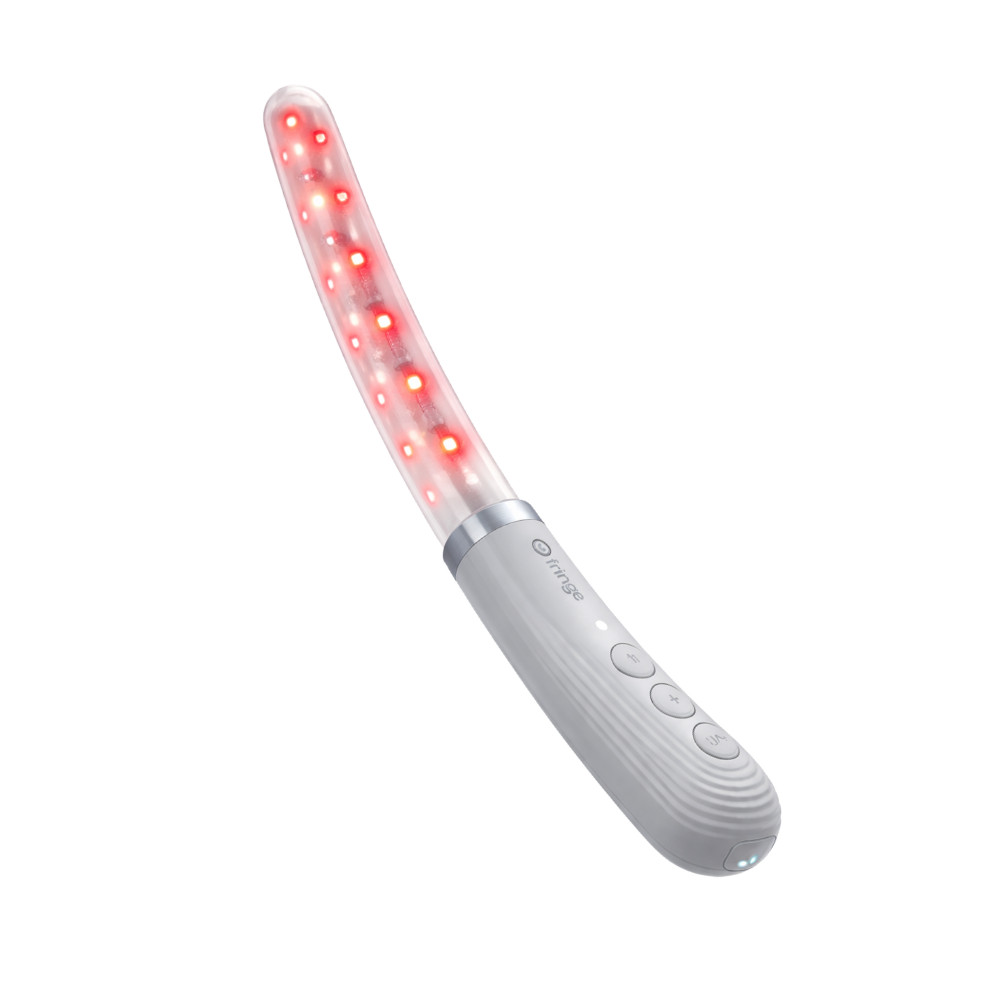
Not all red light devices are capable of reaching deep pelvic structures involved in fertility. The Fringe pelvic wand is designed for internal and external pelvic use and delivers red, near-infrared, and blue light at tissue-appropriate wavelengths and power levels.
This is the pelvic wand I recommend when fertility support is the goal.
Red Light Pelvic Wands for Menopause
Menopause brings predictable physiological changes to the vaginal and pelvic region. Declining estrogen reduces blood flow, alters collagen structure, and decreases tissue elasticity and natural lubrication. These changes can lead to dryness, discomfort, pain with intimacy, and increased sensitivity, even in women who otherwise move through menopause without significant systemic symptoms.
Photobiomodulation offers a non-hormonal way to address these changes at the tissue level. Red and near-infrared light increase cellular energy production and improve local circulation, supporting collagen integrity and tissue responsiveness. When applied directly to the pelvic region, this leads to improved comfort, reduced fragility, and better lubrication over time.
Unlike temporary dryness or irritation, menopausal changes are driven by sustained hormonal shifts. Addressing circulation and tissue metabolism directly becomes increasingly important, particularly for women who cannot or prefer not to use estrogen-based therapies.
Targeted pelvic light therapy provides a clinically grounded option for supporting comfort and function through menopause by working with tissue physiology rather than attempting to override it hormonally.
Breastfeeding, Hormonal Shifts, and Vaginal Tissue Changes
Breastfeeding creates a distinct hormonal environment that directly affects vaginal and pelvic tissue. Elevated prolactin suppresses estrogen production, often leading to reduced blood flow, thinner vaginal tissue, and decreased natural lubrication. These changes can occur even in women who are otherwise healing well postpartum and are rarely discussed in routine postpartum care.
The result is often discomfort, dryness, or pain with intimacy during a period when many women expect their bodies to feel “back to normal.” Because these symptoms are hormonally driven, they can persist for the duration of breastfeeding and are not resolved by time alone.
Red and near-infrared light therapy addresses the tissue-level effects of low estrogen without interfering with lactation. By improving local circulation, supporting collagen structure, and enhancing cellular energy production, pelvic photobiomodulation helps restore tissue resilience and comfort without the use of hormonal creams or medications.
For breastfeeding women navigating postpartum recovery and intimacy, targeted pelvic light therapy offers a practical, non-hormonal approach to supporting vaginal tissue health during this transitional phase.
Blue Light Therapy for Vaginal Health, Yeast Infections, and BV
Blue light plays a specific and targeted role in vaginal care when used correctly. Unlike red and near-infrared light, which primarily support tissue repair and circulation, blue light is used for its antimicrobial effects. This is particularly relevant in conditions such as yeast infections and bacterial vaginosis (BV), where microbial imbalance drives symptoms.
The vaginal microbiome depends on a careful balance of organisms, primarily lactobacilli, to maintain a healthy pH and protect against infection. Not all blue light is appropriate for this environment. Higher-energy blue wavelengths can increase oxidative stress, disrupt healthy commensal bacteria, and irritate sensitive tissue when used indiscriminately.
When wavelength is selected deliberately, blue light can suppress pathogenic organisms associated with yeast overgrowth and BV without broadly damaging beneficial vaginal flora. The 415 nm blue light spectrum has been studied for its ability to inhibit organisms commonly implicated in yeast infections and bacterial vaginosis while remaining gentle enough for use on mucosal tissue.
This distinction matters. Many vaginal symptoms are recurrent, and repeated use of antifungal or antibiotic treatments can further disrupt the microbiome. Targeted blue light therapy offers a non-pharmaceutical approach that addresses microbial imbalance directly while preserving tissue integrity.
The Fringe pelvic wand incorporates 415 nm blue light alongside red and near-infrared wavelengths, allowing antimicrobial support to be paired with tissue healing and circulation support. This combined approach is particularly relevant for women dealing with recurrent yeast infections, BV, or ongoing vaginal irritation where both microbial balance and tissue health need to be addressed together.
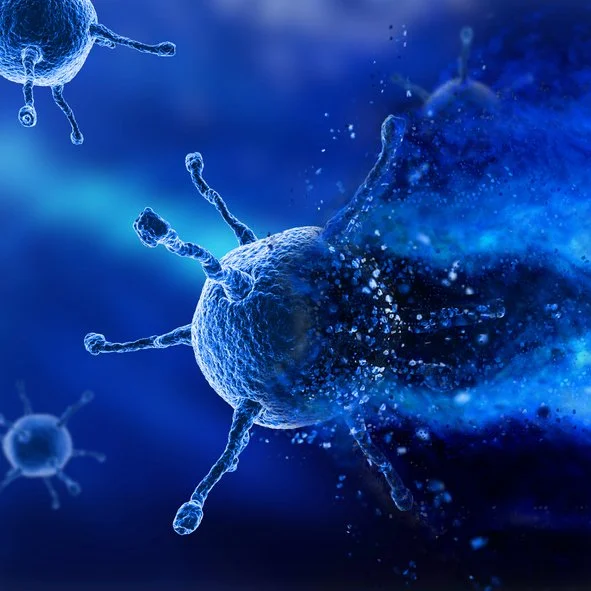
Blue light can be a gentle anti-microbial for the vagina but it needs the correct wavelength of blue so as not to harm healthy commensal flora.
Why I Recommend the Fringe Pelvic Wand
I recommend the Fringe pelvic wand because it meets the clinical requirements that actually matter for pelvic and vaginal light therapy. It is not designed around trends or aesthetics. It is designed around wavelength selection, tissue depth, dosing, and safety.
Fringe incorporates three wavelengths that serve distinct and complementary purposes. Red light at 630 nm supports superficial tissue health and circulation. Near-infrared light at 830 nm penetrates more deeply, reaching pelvic structures relevant to pain modulation, tissue repair, and fertility-focused applications. Blue light at 415 nm provides targeted antimicrobial support when vaginal microbiome balance is a concern.
This combination matters because pelvic health is rarely one-dimensional. Tissue integrity, circulation, nerve signaling, and microbial balance all interact. A device that addresses only one of these factors is limited in what it can realistically support.
The Fringe wand delivers light at a controlled therapeutic intensity, approximately 20 to 40 mW/cm², allowing for effective photobiomodulation without excessive heat or tissue irritation. This makes it suitable for repeated use in sensitive vaginal and pelvic tissue.
Blue light safety is another reason I am selective. The Fringe wand uses a 415 nm wavelength that has been studied for antimicrobial effects against organisms implicated in yeast infections and bacterial vaginosis, without broadly disrupting healthy vaginal flora. This is particularly relevant for women dealing with recurrent BV, yeast infections, or chronic vaginal irritation, where repeated courses of antifungals or antibiotics can further destabilize the microbiome.
Microbiome health also plays a role in fertility. Vaginal pH, cervical mucus quality, and infection risk all influence sperm survival and transport. Supporting microbial balance alongside tissue health and circulation is not a “nice to have” feature. It is foundational.
From a practical standpoint, the device is comfortable, cordless, and designed for real bodies and real use. Those details matter because consistency matters. A device that is uncomfortable or cumbersome is unlikely to be used correctly or long enough to produce meaningful results.
I do not recommend devices lightly. Fringe earns its place because it aligns with the research, respects pelvic physiology, and delivers light in a way that is both effective and safe. For women who feel their pelvic health has been minimized or oversimplified, this is a tool that reflects a more serious, evidence-informed approach.
Why a Personalized Protocol Matters
Using a pelvic light therapy wand effectively is not intuitive. Results depend on wavelength, dose, placement, timing, and frequency, and those variables change based on the issue being addressed. Fertility, postpartum recovery, pelvic pain, menopause, and recurrent infections do not respond to the same approach.
This is why simply owning a device is not enough.
When you purchase the Fringe pelvic wand through me, I include a free personalized pelvic light therapy protocol. I build this protocol based on your health history, your primary goal, and the technical capabilities of the wand, so you know exactly how to use it safely and effectively.
That personalized guidance is the reason most women choose to purchase their wand here rather than elsewhere.
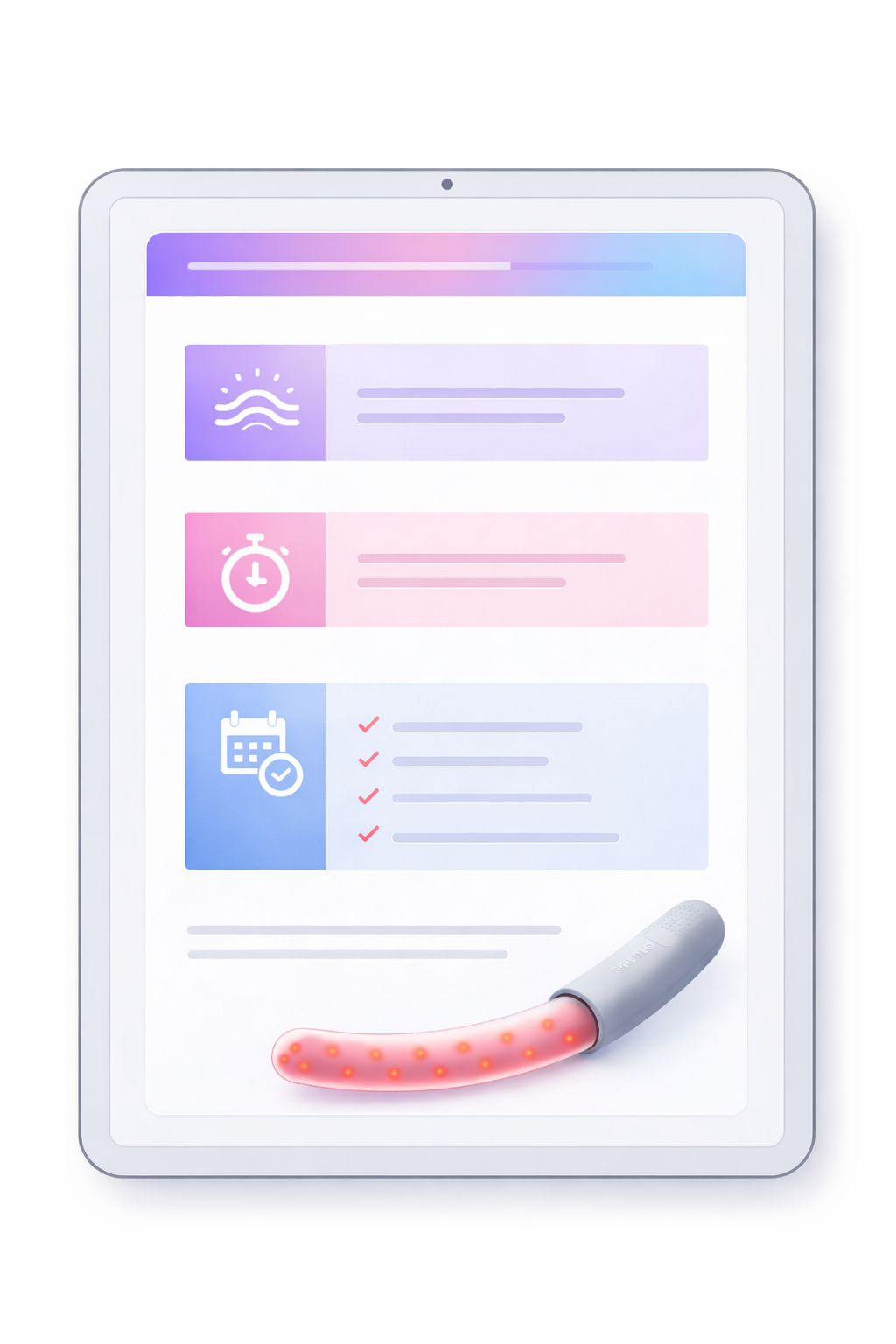
A Personalized Treatment Protocol Is Included
01
PURCHASE YOUR WAND FROM MY SITE
During checkout you’ll select the primary are of focus for your personalized treatment protocol.
02
COMPLETE YOUR QUESTIONNAIRE
You’ll receive an email from me with a secure link to a detailed questionnaire.

03
RECEIVE YOUR PERSONALIZED PROTOCOL
I build a step-by-step protocol based on current evidence, your health goals, and the technical specifications of the wand.
A Note on Pelvic Floor and Vaginal Health
Red light therapy is often discussed in the context of skincare or musculoskeletal pain, but pelvic and vaginal tissues are equally biologically active and responsive to photobiomodulation. These tissues are highly vascular, hormonally sensitive, and deeply involved in continence, sexual function, comfort, and fertility. Treating them as an afterthought does not reflect how the body actually works.
Across fertility journeys, postpartum recovery, perimenopause, menopause, and hormone-suppressed states, women experience changes that affect pelvic floor function, tissue integrity, lubrication, and microbial balance. Vaginal dryness, recurrent infections, pelvic discomfort, and pain are not niche issues. They are common, and they deserve targeted, evidence-informed solutions.
Pelvic light therapy addresses these concerns at the tissue level. By supporting circulation, cellular energy production, collagen structure, nerve signaling, and microbial balance, red, near-infrared, and blue light offer a non-hormonal way to support pelvic and vaginal health across life stages. For many women, a pelvic wand designed for internal and external use is the most practical and effective place to start.
We may use the term “pelvic wand” to satisfy product categories and search algorithms, but the reality is simple. This is about vaginal health, pelvic function, and treating these tissues with the same seriousness applied elsewhere in the body.
You deserve thoughtful tools, accurate information, and options that respect both physiology and lived experience.
To explore the devices I recommend and how they are used specifically in fertility-focused protocols, you can read my detailed guide to red light products for women supporting fertility.
Medical Disclaimer
This device is intended for general wellness use and is not approved for the diagnosis or treatment of medical conditions. The information shared here reflects current research on photobiomodulation wavelengths, tissue physiology, and clinical application but is not a substitute for individualized medical care. Always consult a qualified healthcare provider with questions related to your health or treatment decisions.
Tracy
Resources
The following peer-reviewed studies and clinical reports inform the discussion of transvaginal and pelvic photobiomodulation, including the use of red, near-infrared, and blue light in vaginal and pelvic tissue.
Lev-Sagie A, et al.- Transvaginal Photobiomodulation for the Treatment of Chronic Pelvic Pain: A Pilot Study.
Women’s Health Reports. 2021; 2(1): 463-470.
Zipper R, et al.- Transvaginal Photobiomodulation Improves Pain in Women with Interstitial Cystitis/Bladder Pain Syndrome and Pelvic Muscle Tenderness: A Preliminary Study. Journal of Urology. 2022.
Lev-Sagie A, et al.- An observational cohort study of pelvic floor photobiomodulation for chronic pelvic pain.
Clinical and Experimental Reproductive Medicine (2021).
El-Kholy SS, et al.- Effect of blue light emitting diode therapy on recurrent vulvovaginal candidiasis: A randomized controlled trial.
Photodiagnosis and Photodynamic Therapy (2024).
de Andrade ALM, et al. Blue LED as a new treatment to vaginal stenosis due pelvic radiotherapy: A case series.
Photobiomodulation, Photomedicine, and Laser Surgery (2021).
ICS 2020 Abstract #276 - New concept for treating urinary and sexual complaints in women with blue LED photobiomodulation.
International Continence Society Annual Meeting Abstracts (2020).