The Truth About Implantation: It’s Not Just ‘Stickiness,’ It’s a Conversation
There is a major misconception about how pregnancy starts. Most people think of implantation as a one-way street: an embryo floats down, hits the uterus, and simply "sticks" like Velcro.
That is not how it works.
New research shows that early pregnancy is actually a high-stakes, two-way interview. It is a live conversation between the embryo and the uterine lining. And if the communication lines are down, the process stops before it ever really begins.
Here is what is actually happening at a microscopic level, and where red light therapy (Photobiomodulation) enters the chat.
The "Text Messages" Between Embryo and Uterus
We used to think the uterus was passive. We now know that during the implantation window, the embryo and the uterus are constantly trading information.
They exchange what scientists call Extracellular Vesicles (EVs). Think of these as microscopic care packages or text messages. Within an hour of meeting, the embryo and the uterus swap these packages, which are filled with instructions (mRNA) and fuel (lipids).
Once these packages are opened, they change how the cells behave.
They Manage Fuel: Fat (lipids) isn't just storage. It becomes an active fuel source to power the intense construction work needed to build a home for the embryo.
They Run a Safety Check: The uterus actually "tests" the embryo using a sensor called AhR. It’s like a quality control manager. It checks environmental signals to make sure conditions are safe. If the conditions are bad, the uterus may reject the implantation to protect the body.
This biochemical dialogue is even more impressive when you consider the incredible precision of the timing. The uterus is not always open for business; it has a fleeting "window of implantation" lasting only a few days. During this short window, the uterine lining performs a temporary structural remodel, sprouting microscopic projections called pinopods. Think of these as mini docking stations that emerge just in time to “catch” the floating embryo and facilitate that very first contact. The synchronization required, for the embryo to arrive exactly when these temporary landing pads are ready is a staggering biological feat.
This is a complex, timed two-way street. If the uterus is too "tired" or inflamed to read the messages, or if the pinopods don't develop on schedule, the conversation ends, and implantation fails.
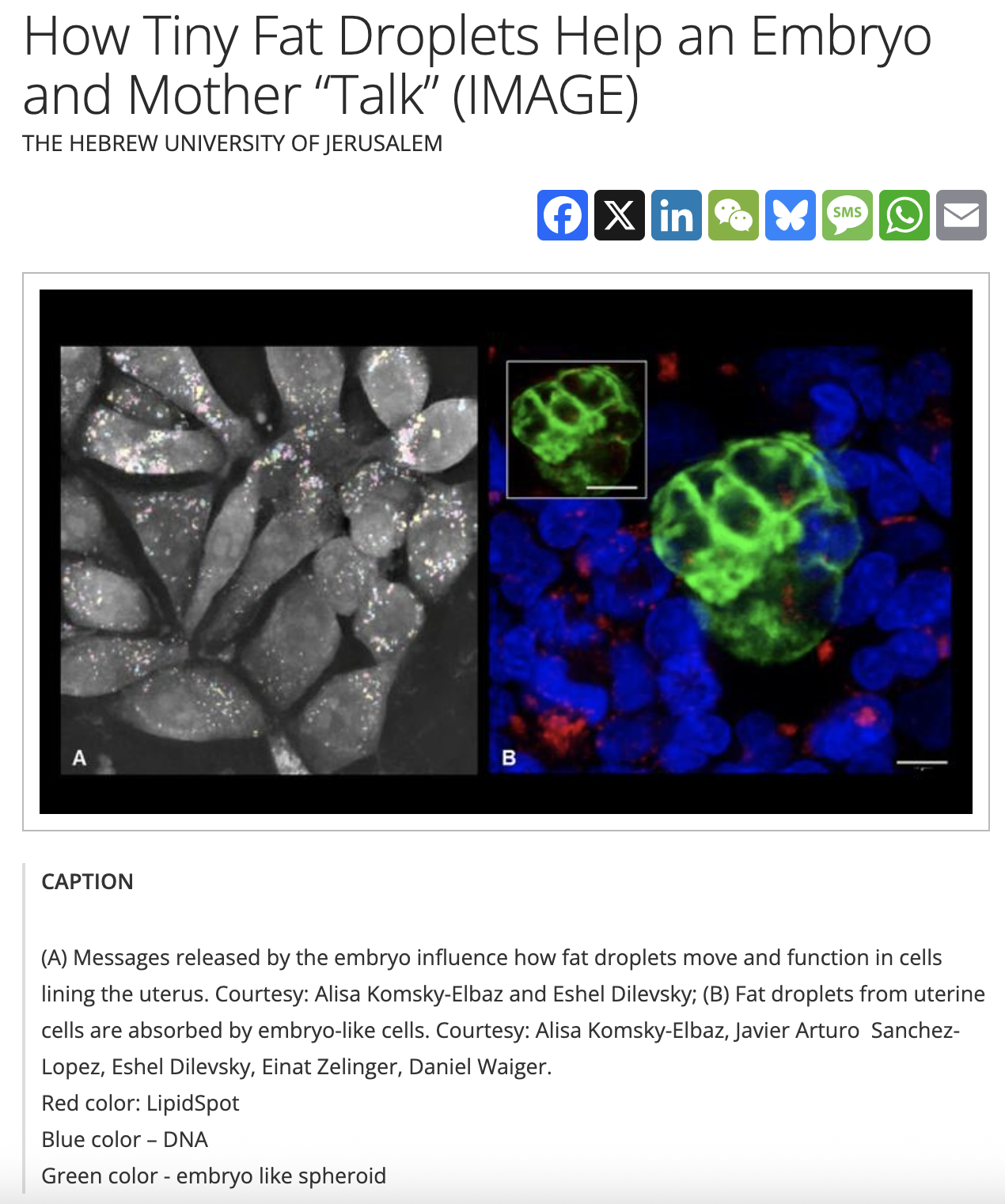
Red light therapy increases blood flow to the uterine lining, reduces inflammation and improves the ‘conversation’ between the uterus and embryo.
Where Red Light Therapy/Photobiomodulation (PBM) Fits In
So, if implantation is a biological conversation, how do we improve the connection?
Red light therapy works on the cellular engines (mitochondria). It doesn't force the body to do anything unnatural; it powers up the machinery that is already there.
Here is the breakdown of how PBM supports that critical "first conversation":
1. It powers the cell towers (Mitochondria) For the uterus to send and receive those complex signals, it needs massive amounts of energy (ATP). Red light stimulates the mitochondria to produce more energy. If the cells in the uterine lining have full batteries, they can respond to the embryo significantly better.
2. It improves the infrastructure (Blood Flow) You can’t build a house without supply roads. PBM encourages the growth of new blood vessels and improves oxygenation. This supports the rapid physical changes the uterus must undergo to accept an embryo.
3. It creates a clearer signal The study mentioned earlier highlights that inflammation and lipid metabolism are key factors in whether an embryo implants. PBM is well-documented to help reduce inflammation and regulate cell activity.
Think of it this way: PBM isn't a loudspeaker screaming "Get Pregnant!" at the body. It’s acoustic treatment for the room. It reduces the static (inflammation) and powers the speakers (mitochondria) so the embryo and uterus can actually hear each other.
Can This Help With Recurrent Loss or Implantation Failure?
Let’s be honest and realistic about what this technology can and cannot do.
What PBM Cannot Do: It cannot fix a chromosomal abnormality. If the embryo itself is not genetically viable, no amount of red light will change that.
What PBM Can Do: If the issue lies in the environment - a uterine lining that is metabolically sluggish, inflamed, or has poor blood flow - appropriately dosed red light therapy can be a game-changer - doing what no amount of supplements can do more quickly.
By improving the energy and blood flow in the pelvic tissue, you are essentially prepping the soil before planting the seed. For women with "unexplained" implantation failure or thin uterine linings, this therapy helps ensure that when a healthy embryo arrives, the uterus is awake, energized, and ready to start the conversation.
Pregnancy isn't just about egg quality. It is about the biochemical dialogue between the embryo and the mother.
If that dialogue is failing, we need to look at the health of the tissues doing the talking. PBM offers a low-risk, science-backed way to support the cellular energy and environment required for that conversation to flow smoothly. Early pregnancy depends on a two‑way conversation between the embryo and the uterine lining. Tiny information packets move back and forth, telling each side how much energy to make, how to use fats, when to grow new blood vessels, and whether this is the right time to implant. Photobiomodulation does not force pregnancy, but it supports the health of the tissues doing the talking - by improving mitochondrial energy, blood flow, and the way cells handle stress and repair. For women with implantation issues or certain types of recurrent early loss, red light therapy may offer a promising, low‑risk way to help the uterus become a more welcoming, better‑communicating partner in early pregnancy.
The science is still evolving, and large controlled trials are needed. But the emerging picture,from embryo‑uterus cross‑talk to PBM’s mitochondrial effects - supports a hopeful message: light‑supported biology may give some women a better chance for that tiny embryonic voice to be heard.
Resources
https://blog.tracydonegan.org/blog/ultimate-guide-to-choosing-red-light-devices-for-fertility-
https://www.eurekalert.org/news-releases/1110312
Personalized Red Light Therapy Protocols
Every Solasta laser purchase and/or Fringe Wand includes individualised, evidence‑based protocols rather than guessing. These protocols originate from published photobiomodulation and fertility research, including data on safe dose ranges, tissue penetration and implantation support, and are adapted to the device power settings, your health history and goals. That means session times, body areas and treatment frequency are all guided by dosimetry calculations (J/cm²), not marketing hype, so you are using clinical‑grade light in a way that respects both the science and your experiences.