“Does he sleep well"? Is a question all new parents hear daily. When you hear of other newborns sleeping for 5 hr stretches and taking 2 x 2 hr naps in the daytime it can leave parents scratching their heads and feeling anxious that they’re not doing enough for their newborn. Your baby WILL find his rhythm but there are ways to support your baby’s biology so they develop normal healthy sleep habits sooner rather than later and with less stress and second guessing by parents.
Helping your baby sleep longer starts with working with their biology, not against it. Melatonin, light exposure, birth circumstances, and even time spent in the NICU all shape how easily babies settle and how their sleep matures over the first months of life.
Melatonin: Baby’s Nighttime Helper
Melatonin is the body’s “time of darkness” hormone: it rises in the evening and at night to signal that it’s time for sleep, tissue repair, and recovery, then falls again toward morning. Newborns make very little of their own melatonin at first, and a clear day, night rhythm from the pineal gland typically emerges around 8 - 12 weeks after birth (a bit later for very preterm babies when you adjust for gestational age).
Beyond sleepiness, melatonin is a powerful antioxidant and anti‑inflammatory molecule, especially concentrated in mitochondria, where it helps neutralize reactive oxygen species and stabilize energy production during rapid brain and body growth. This mitochondrial melatonin does not depend strongly on light - dark cycles, but the nightly rise in circulating melatonin (and in breast milk) still matters as a systemic signal for rest, synaptic remodeling, and physiological “housekeeping.”
Breast milk, “Night milk,” and Formula
Breast milk is not the same at 10 a.m. and 2 a.m. Daytime milk contains essentially no melatonin, whereas evening and night milk show a clear rise, peaking in the early hours of the morning. When babies feed at night, they receive this extra melatonin, which appears to help them fall asleep more easily, sleep in longer stretches, and develop more stable day-night sleep-wake patterns, while also providing antioxidant and immune‑modulating support.
Standard infant formulas does not contain measurable melatonin and does not change between day and night, so formula‑fed babies do not receive a hormonal “clock signal” through their feeds. Their circadian systems still mature, but they rely more on light - dark cues, body temperature, social timing, and routines; experimental chrononutrition formulas enriched with melatonin or tryptophan exist but are not yet widely adopted or fully studied for long‑term effects.
If you pump, you can lean into this biology by labeling expressed milk with the time of day (morning/afternoon/evening/night) and, where possible, matching night‑expressed milk to night feeds so your baby still gets a strong “this is nighttime” message at the right time. If you use formula, you can provide equally strong guidance through light, touch, and timing—even without milk melatonin - by making night feeds predictably dark, quiet, and calm.
Cesarean Birth and Early Rhythms
Mode of birth can influence, but not determine, early sleep and circadian patterns. Studies measuring melatonin in human colostrum and milk show that parents who give birth by cesarean can have higher melatonin concentrations in daytime colostrum than those who birth vaginally, while both groups still show a robust nocturnal rise. As milk matures over the following days and weeks, overall melatonin levels decline and the same clear day - night rhythm is seen regardless of how baby was born.
These early differences likely reflect surgical stress, altered sleep around the birth, anesthesia, and hormonal shifts, not anything most parents choose or control. Cesareans can also worsen maternal sleep and pain in the early postpartum period, which may indirectly influence breastfeeding patterns and circadian cues, but these effects are typically temporary and improve as healing progresses and routines stabilize. None of this means a cesarean parent has “broken” their baby’s sleep; it simply highlights why extra gentleness, pain relief, and support with feeding and rest matter so much after surgical birth.
NICU lighting: life‑saving care in a non‑ideal light environment
NICUs are designed first to keep babies alive: they need continuous monitoring, frequent procedures, and rapid visual access for staff. This means many units are brightly lit for much of the 24‑hour cycle, with alarms, examinations, and caregiving often happening under strong white fluorescent or LED lighting. Studies in preterm infants show that such constant or poorly cycled lighting can blunt or delay normal circadian development, contribute to more fragmented sleep, and alter early rest–activity patterns.
Some NICUs are now experimenting with cycled lighting - brighter during defined “day” hours, dimmer or near‑dark at “night” - and using incubator covers and task lighting to reduce unnecessary exposure, which appears to support better weight gain, more mature sleep patterns, and earlier emergence of day, night rhythms. If your baby spends time in the NICU, know that survival and medical stability come first; once you are home, your family can still gently rebuild a healthier light-dark pattern and sleep rhythm together.
How Blue‑rich Light Shortens Baby (and Your) Sleep
Blue‑rich light - common in almost all standard hospital and home lighting phone and tablet screens, TVs, and many “daylight” bulbs - is the most potent signal to the brain that it is daytime, even at relatively low indoor levels. In adults and older children, evening exposure to typical room light or screens can suppress melatonin by 70 - 90%, delay its onset, and shorten the biological night. Children are even more light‑sensitive: research in preschoolers shows that an hour of ordinary indoor light before bed can suppress melatonin by up to 99%, with stronger and longer‑lasting effects than in adults.
For infants and toddlers, evening and nighttime blue‑rich light can:
· Delay sleep onset and increase bedtime resistance.
· Fragment night sleep, with more and longer wake‑ups.
· Shift the internal clock later, while morning obligations (feeds, siblings, work) still start early, compounding sleep debt.
Screens add both blue light and cognitive/emotional stimulation, which observational studies link to shorter total sleep, more night waking, and more difficulty falling asleep in infants and toddlers. Even if a baby is not looking directly at a device, a brightly lit, screen‑filled room still pushes the whole household’s biology toward “day mode” at a time when melatonin should be rising.
Practical ways to help your baby sleep (and yours) longer
These simple, biology‑friendly steps support longer, more settled sleep without harsh training methods.
1. Protect the day–night contrast
· Maximize bright light and activity in the day: time outdoors, open blinds, and bright indoor lighting soon after wake‑up help anchor the “day” side of the clock.
· In the last 60 - 90 minutes before bedtime, gradually dim lights and transition to quieter, soothing activities so your baby’s brain can ramp up melatonin and wind down.
2. Avoid blue‑rich light in the evening and at night - not all ‘red bulbs’ are created equal.
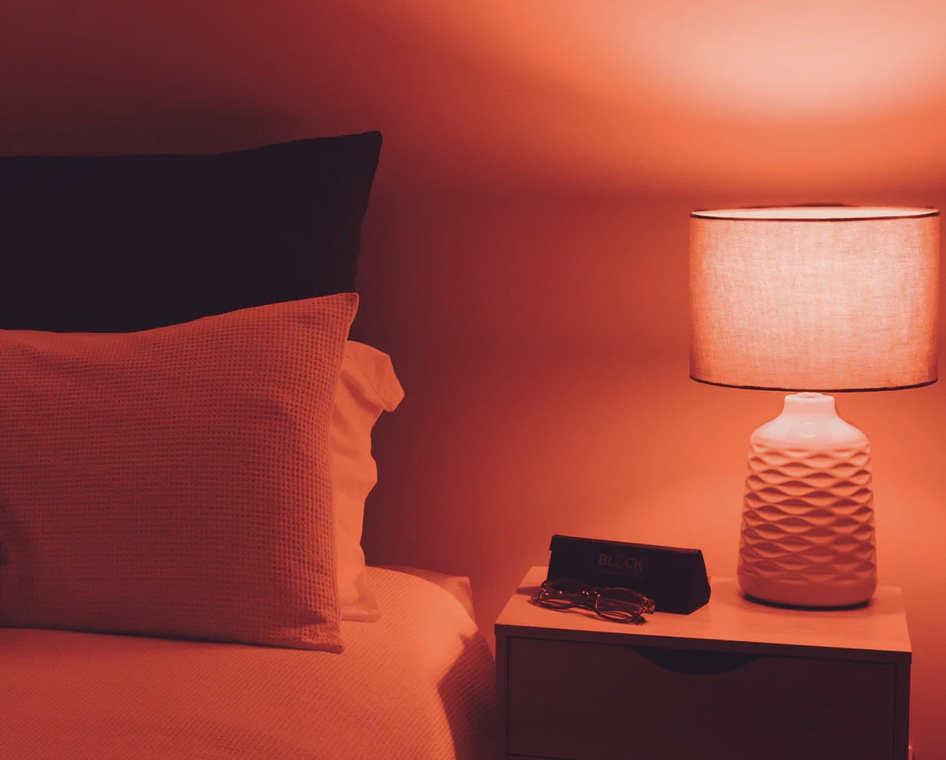
· Swap cool‑white or “daylight” bulbs for warm, low‑Kelvin bulbs (ideally 2200 - 2700K) in bedrooms and living spaces you use at night. When choosing lighting for your baby’s room, it’s important to look beyond color appearance and check the Correlated Color Temperature (CCT) specification on the bulb. CCT is a measurement, given in Kelvin (K) that describes whether a light is “warm” (yellow/red) or “cool” (blue/white) in tone. Lower CCT values (for example, 2200K - 2700K) generally indicate a warmer, more amber/red light which is less likely to disturb sleep or suppress melatonin, while higher CCTs (3500K and above) have more blue content and are much more disruptive to the circadian system.
However, even a bulb that appears to be “red” or “amber” can still emit significant amounts of blue light if it’s simply tinted rather than engineered for true circadian safety. Many inexpensive or generic red bulbs (including some labeled as “nursery safe” at big box stores) still contain hidden blue wavelengths in their light spectrum. That’s why it’s risky to just pick up any colored bulb at Walmart or Home Depot without checking for independent spectral data or circadian claims from a trusted brand. For the best support of your baby’s sleep, opt for a verified, low-CCT (<2700K), blue-free night light from a reputable supplier, rather than relying on looks or color names alone.
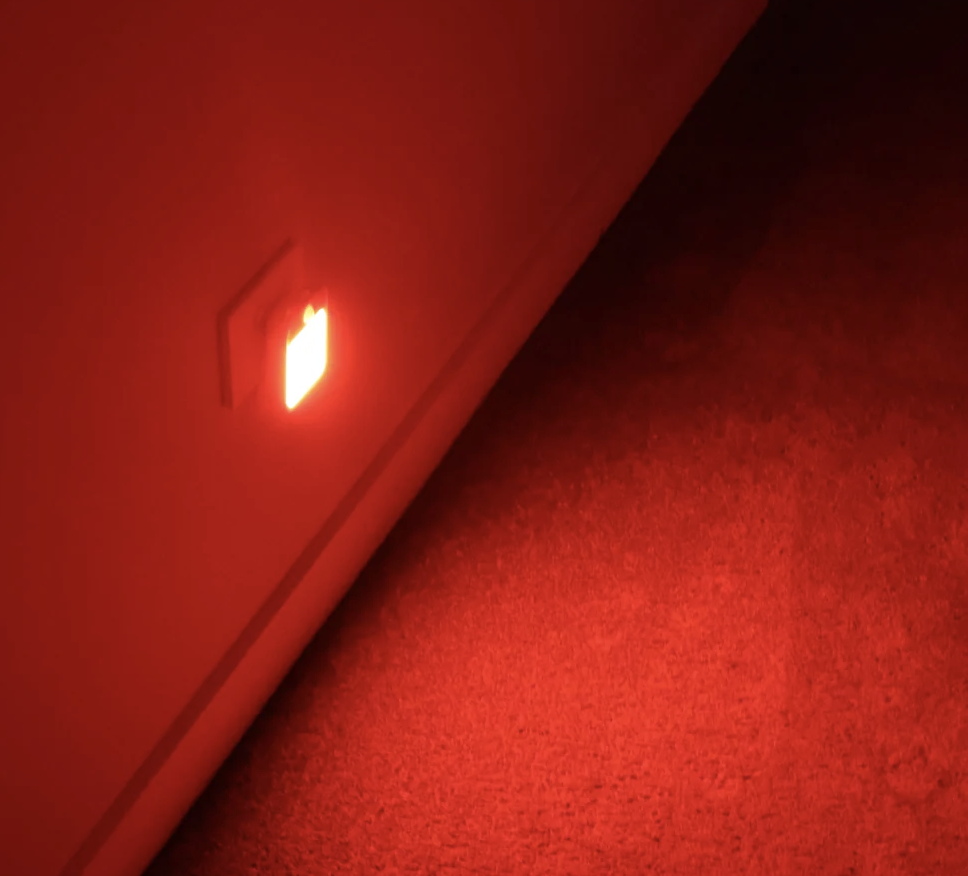
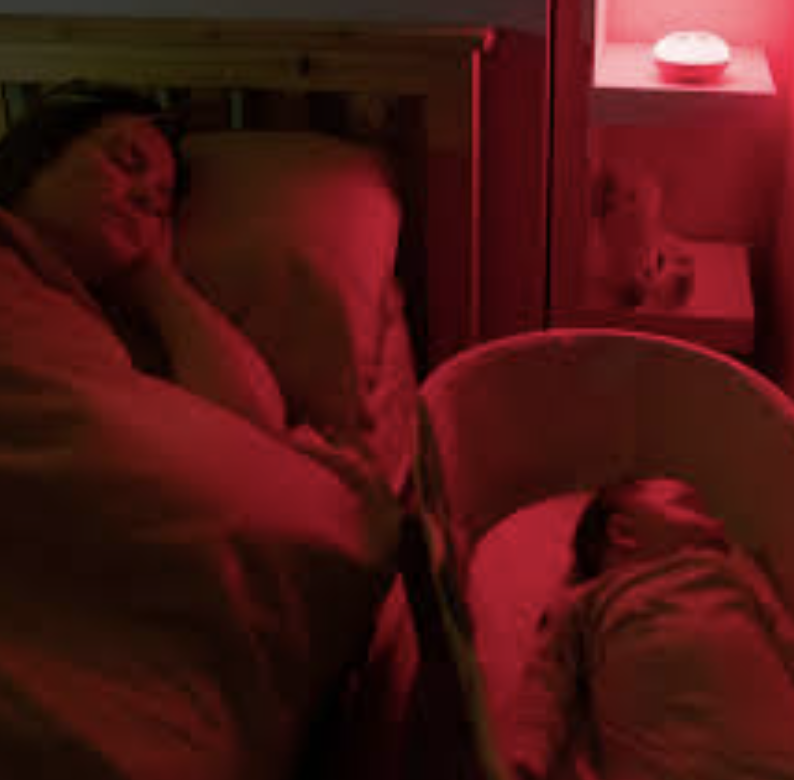
· For night feeds and diaper changes, use a very dim red or amber night light rather than overhead lights; this preserves melatonin for both you and your baby.
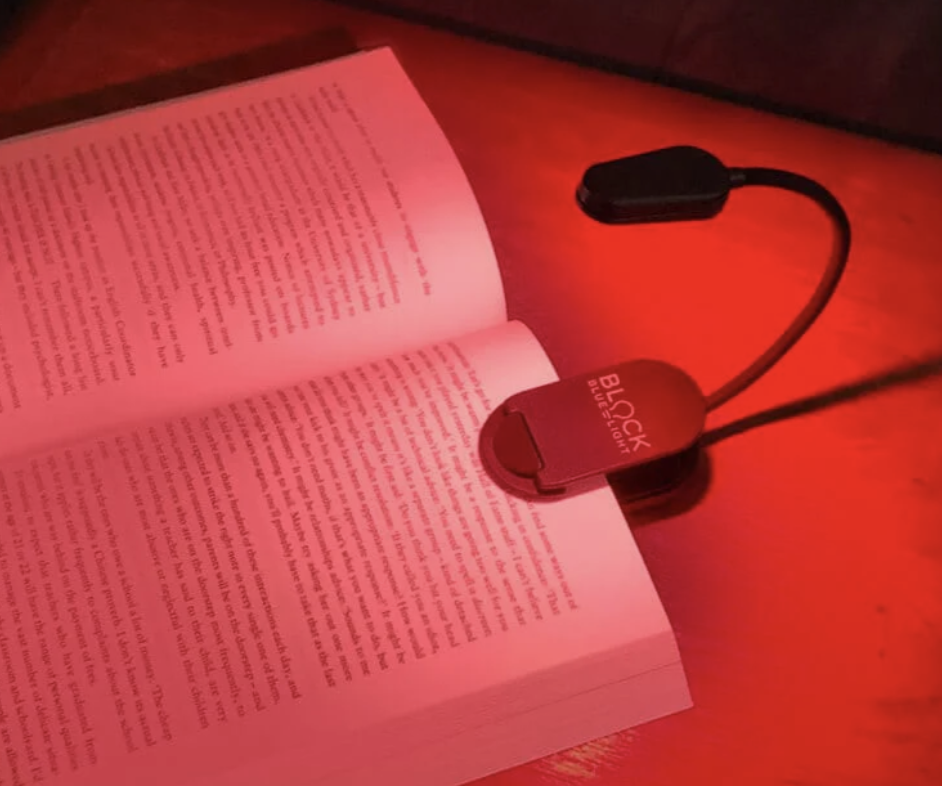
I use BlockBlueLight bulbs in our home after dark and encourage expectant moms to do the same in pregnancy to protect melatonin for health (and especially for labor).
3. Keep screens away from little eyes and bedtime
· Avoid direct screen exposure (TV, tablets, phones) for babies; it offers no developmental advantage and is consistently linked with poorer sleep (in pregnancy too).
· For adults and older siblings, aim to turn off screens 1 - 2 hours before the baby’s bedtime, or at minimum use robust blue‑blocking strategies and keep devices out of the sleep space.
4. Use routines and feeds to support biology
· Start to build a predictable evening routine: dim lights → bath or wipe‑down → feed → quiet cuddles
· For breastfeeding parents, know that night milk is naturally enriched with melatonin and other sleepy, antioxidant factors - responding to night wakes is not “creating a bad habit” but providing an important biological support your baby will eventually outgrow.
· For formula‑feeding families, keep night feeds low‑light, quiet, and predictable; the environment becomes your baby’s main circadian cue.
Melatonin as long‑term protection, not just “sleep juice”
Framing melatonin only as a sleep hormone undersells its importance for your baby’s overall health. In mitochondria and other tissues, melatonin:
· Scavenges reactive oxygen species, limiting oxidative injury to DNA, proteins, and cell membranes during intense growth and remodeling.
· Supports mitochondrial function and energy balance, which underpins healthy neurodevelopment and metabolic regulation.
· Modulates inflammation and may reduce vulnerability to hypoxic‑ischemic and inflammatory brain injuries in newborns.
By respecting darkness at night, supporting breast milk rhythms where possible, and avoiding chronic evening light suppression of melatonin, families are not only helping babies sleep longer now but also potentially supporting better brain resilience and circadian health over the long term.
If Your Baby Was Born By C-Section or Had a Stay in NICU
If your baby was born by cesarean, needed intensive care, or both, none of this is your fault. Surgical birth and NICU technology save lives, and any early disruptions to circadian cues are just one more reason to offer softness and support to yourself afterward, not blame. Once you are home, you can still:
· Prioritize pain relief and rest; better maternal sleep improves milk supply, mood, and attunement to baby’s rhythms.
· Gently rebuild a strong light - dark pattern with bright, active days and very dim, warm nights, regardless of how you feed your baby.
· Use touch, responsive caregiving, and calm, predictable routines to help your baby’s still‑plastic circadian system align with your family’s life.
Your baby’s sleep is not “ruined” by how they arrived into the world, exposure to NICU lights, or your home lighting. With self-compassion for what you’ve already been through and some simple, circadian‑friendly habits at home, you can still give your baby the strong melatonin signaling, antioxidant protection, and gentle nights that support longer, more restorative sleep now and healthier development over time.
For Parents With Red Light Devices at Home:
If you already have a PBM panel or lamp at home, it makes sense to wonder if you can just use it in your baby’s room, but it is much safer to keep these devices out of your infant’s sleep space. PBM panels are designed for therapeutic doses of light on adult tissues, not for tiny, developing eyes and brains; even if the spectrum is mostly red and near‑infrared, the intensity, heat, and potential flicker can be far higher than what is appropriate for a sleeping baby. Because light of almost any color above a very low threshold can disrupt melatonin production and confuse the circadian system in young children, having a bright panel or lamp turning on in the nursery (even briefly) risks shortening and fragmenting your baby’s night sleep. Also infants cannot look away, move themselves, or tell you if the light feels uncomfortable or too hot, and there are still no long‑term safety data on repeated, whole‑body light therapy exposure in early infancy. The simplest, safest approach is to use your PBM panel only on adults in other rooms and keep your baby’s room as dark as possible at night (or lit only with a very dim, warm/red night light when you absolutely need light for feeds and changes).
Order your BlockBlueLight lights here
Tracy
Learn more about light and it’s impact on pregnancy and labor.
https://blog.tracydonegan.org/blog/melatonin-pregnancy-birth
https://blog.tracydonegan.org/blog/the-hidden-dangers-of-blue-light-exposure-during-pregnancy