Red Light Therapy for Low AMH: Evidence, Studies & Protocols
“Will Red Light Therapy increase my AMH levels - is a question I’m frequently asked.
If you’ve been diagnosed with low AMH or Diminished Ovarian Reserve (DOR), you know the routine: swallowing 15+ supplements every morning, searching forums for a hidden cure, and fearing that every passing cycle is draining your remaining egg supply.
When time feels like it's running out, waiting 3 to 6 months for oral supplements to digest and trickle into your bloodstream can feel agonisingly slow.
Here is what most fertility clinics don't explain: A single human egg cell contains between 100,000 and 600,000 mitochondria - more than almost any other cell in the human body.
When AMH is low, your ovaries aren't necessarily "empty." More often, your developing follicles are cellularly starved - lacking the oxygen, blood flow, and mitochondrial energy (ATP) required to divide, mature, and thrive.
While supplements build a long-term nutritional foundation over months, targeted red light therapy works on a completely different timeline. By penetrating directly into abdominal tissue, light photons interact immediately with cellular mitochondria to trigger ATP production and dilate micro-capillaries around the ovaries within minutes.
And the human clinical results? They speak for themselves.
It’s important to understand what red light therapy (PBM) does and what it doesn’t do. PBM isn’t a magic switch that “fixes” AMH or suddenly increases the number of eggs you have. AMH reflects ovarian reserve; once that number is low, no therapy can magically manufacture more eggs.
What PBM can do, when it’s used thoughtfully alongside proper hormone and cycle workup, is improve the environment where your remaining eggs live: mitochondrial energy, blood flow, and local inflammation in the ovaries and uterus. In other words, it aims to support the quality and function of the follicles you still have, not to change the AMH score itself. For women with low AMH, that distinction matters - PBM helps the body make the most of limited reserve while improving the micro environment where your follicles live.
Red light (around 630 - 850 nm) improves cellular energy (ATP) in granulose cells surrounding developing follicles, reducing oxidative stress and supporting early follicle maturation - which reflects as healthier AMH output.
What is Red Light Therapy for Fertility?
Photobiomodulation (LLLT/PBM) is often referred to as red light therapy, uses targeted light therapy to stimulate cellular function and improve blood flow. By enhancing mitochondrial activity (the powerhouse of the cell) and reducing oxidative stress, laser therapy creates an optimal environment for reproductive health. Think of it as giving your cells a gentle nudge toward better performance, helping your body support conception from the inside out.
In Japan Dr.Yoshimasa Asada’s clinic used laser with a group of women, including those with low ovarian reserves and repeated IVF failures. The results were impressive.
First of all I hope this isn’t the first time you’re hearing this but AMH is helpful data for IVF - not conceiving spontaneously. AMH is a useful marker of ovarian reserve and IVF response, but it is not a crystal ball for whether you can get pregnant with your own eggs. NeoFertility’s experience (a restorative approach) and the published cases behind it show that women with extremely low AMH, even in the “very low/undetectable” range, can still conceive and carry healthy pregnancies once underlying issues are identified and treated. But most gynaes and/or clinics aren’t running basic labs to identify the root causes of your difficulties trying to conceive. Read more here.
Clinical Results: Red Light Therapy and Low AMH Success
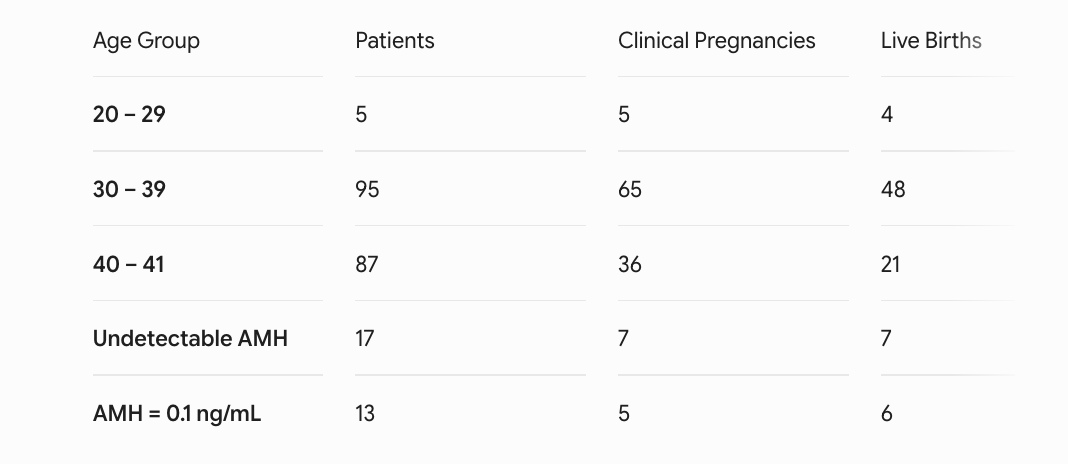
Dr Asada - 188 women over 5 years.
56.4% of patients attending the clinic achieved clinical pregnancies.
38.8% resulted in live births.
What was most surprising was that even women with undetectable AMH levels, saw positive changes.
In 17 women with undetectable AMH, 7 achieved clinical pregnancies, and gave birth.
In 13 women with an AMH level of 0.1, 5 women achieved clinical pregnancies and 6 gave birth

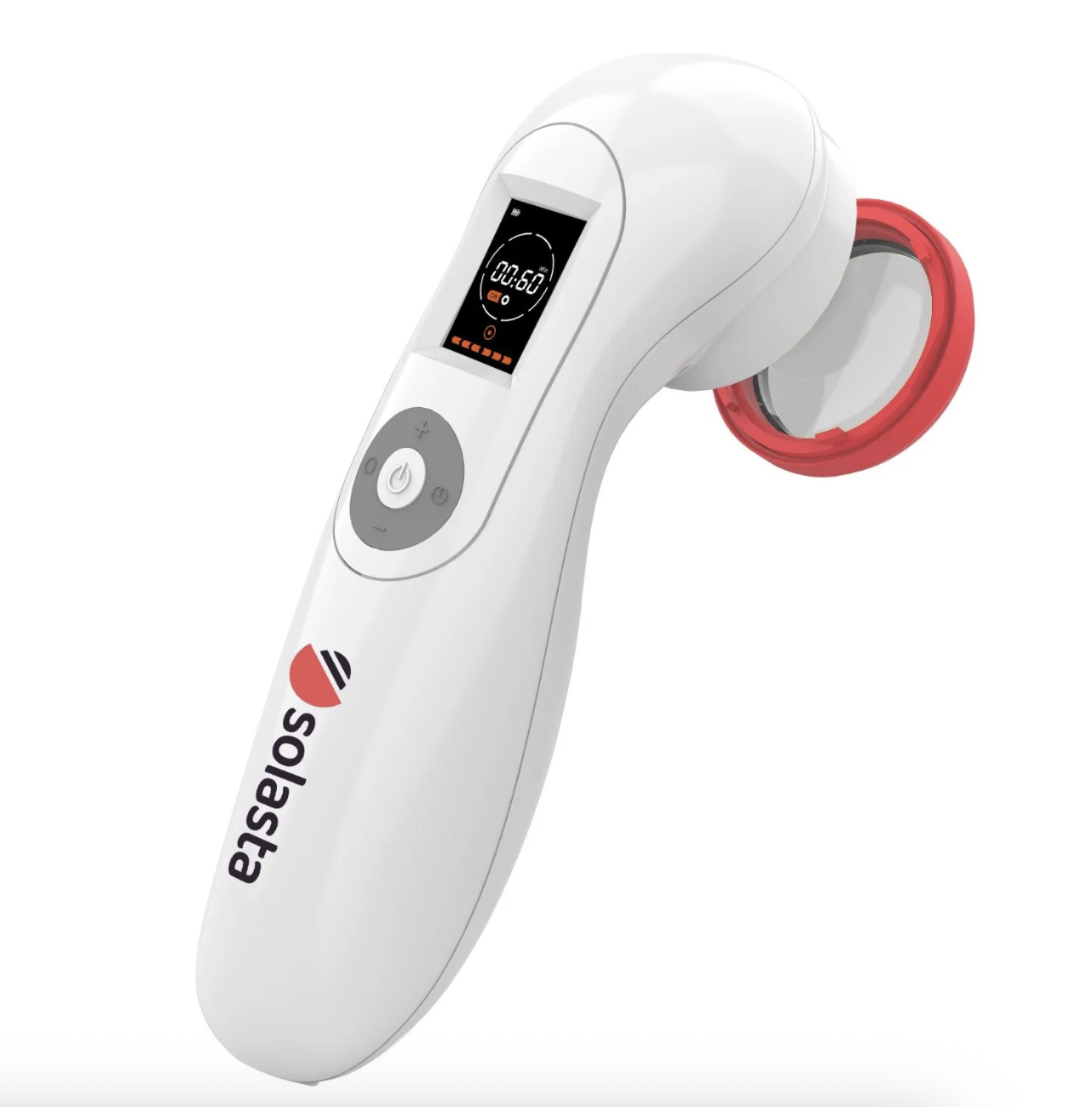
Get your Hand Held Home Laser Device for Low AMH Here.
Could Red Light Be the Ultimate Fertility Supplement?
Case 1: A Journey to Parenthood at Age 41
A 41-year-old woman with undetectable AMH had laser therapy after 7 unsuccessful retrievals. With just 3 more retrievals and a second embryo transfer, she gave birth to a healthy baby.
Case 2: Overcoming Endometriosis and Low AMH
A 35-year-old woman with a history of endometriosis and multiple failed ART cycles finally had success after 10 laser sessions. Following one more retrieval she welcomed her baby.
Case 3: A Second Child with Red Light Therapy
Another 35-year-old with undetectable AMH levels turned to laser after multiple failed attempts for a second child. After just 6 laser sessions during a single cycle, she conceived her second baby.
Additional Benefits of Red Light Therapy for Fertility
While the goal was to support fertility, women also reported some other unexpected benefits, including:
Improved circulation: Many noticed relief from cold hands and feet.
Reduced tension: A significant reduction in shoulder stiffness and overall discomfort.
Peace of mind: As one patient shared, “I feel like I’ve done everything I can.”
Receive a tailored free protocol to optimize use of your device and a summary of any gaps in your fertility investigations.
More Hopeful Research on Red Light Therapy for Low AMH
A more recent 2018 study from an international team of researchers offers a fascinating look at how photobiomodulation can modulate ovarian function in mature female mice. By exploring how one laser treatment impacts egg quality, hormone production, and overall ovarian health.
What Was This Study All About?
Researchers wanted to know: Can red light therapy help the ovaries work better? To find out, they used local laser treatments on mature female mice, and then checked changes in ovarian health, hormone levels (especially AMH), cell survival, and egg quality.
Quick Study Protocol
· Female mice had one ovary exposed to laser light 606 nm at either 100 or 200 J/cm² for 40 - 80 seconds.
· The other ovary (in the same mouse) served as a control - it didn’t receive laser.
· Ovaries were studied for follicle counts, hormone levels, markers for cell survival/cell death, blood vessel health, and IVF outcomes
Encouraging Findings
More “early stage” follicles: The laser treatment increased the number of primary and preantral follicles and decreased the percentage of luteal structures.
No damage to ovarian reserve: The number of primordial follicles (“backup eggs”) remained unchanged, which means laser did not deplete the ovary’s fundamental egg supply.
AMH boost: Ovaries treated with laser showed more follicles in early development that produced AMH - a key marker of ovarian reserve.
Lower progesterone: Treated ovaries had significantly reduced tissue progesterone, aligning with decreased CL (luteal structures) seen after laser treatment.
Healthier cells: Laser therapy reduced cell death (apoptosis) in the ovary, particularly in early antral follicles.
Better egg quality: Fewer eggs were recovered from treated ovaries, but a much higher percentage developed into 2-cell embryos after IVF - a marker of improved egg quality.
Improved blood vessels: Laser helped stabilize ovarian blood vessels, with a decrease in endothelial (blood vessel) area, but an increase in periendothelial cell area, suggesting better nutrient supply and tissue stability.
This study shows that targeted red light therapy can gently “coach” the ovary, supporting healthy egg development, improving AMH and rescuing eggs from the stress of cell death, all WITHOUT harming the baseline egg supply. It’s a hopeful sign for anyone looking into gentle, drug-free ways to support ovarian health and fertility, and it aligns beautifully with Dr. Asada’s human data!
Not convinced? Another animal study also had surprising results.
How Red Light Therapy Fits into Fertility Treatments
Dr. Asada’s findings underscore a crucial point: Laser therapy hasn’t become a primary treatment (yet), but it’s a powerful complementary therapy.
Dr. Asada’s work reminds us that innovation, persistence and courage go hand in hand when it comes to fertility care. Whether you’re just beginning your journey or exploring new options after setbacks, red light therapy for fertility is paving the way for more hopeful outcomes.
So, if you’re looking for an extra boost in your fertility journey, consider the possibilities of home laser therapy for low AMH.
Order your home Solasta laser here and receive a personalized protocol to optimize this powerful tool for reproductive health.
Clinical Research vs. Home Application:
In his Japanese trials, Dr. Asada used a medical laser on the neck to increase blood flow to the reproductive system through autonomic nerve modulation. Modern home fertility protocols build on this by also applying targeted near-infrared light directly to the lower abdomen to combine localized mitochondrial stimulation with increased pelvic circulation.
Tracy
Frequently Asked Questions About Red Light Therapy & Low AMH
Can red light therapy increase AMH levels permanently?
Red light therapy supports mitochondrial energy (ATP) production and blood flow within the granulosa cells surrounding developing follicles. This process helps optimize measurable AMH levels and overall oocyte quality during active treatment cycles, though overall primordial reserve remains fixed.
Is red light therapy safe if I have low ovarian reserve (DOR)?
Yes. Clinical studies, including human research by Dr. Yoshimasa Asada and animal models, indicate that photobiomodulation does not accelerate egg depletion or harm the primordial reserve. Instead, it helps rescue early-stage follicles from oxidative stress and cell death (apoptosis).
When in my menstrual cycle should I use red light therapy for fertility?
Most protocols recommend applying red light therapy to the reproductive sites during the follicular phase (from Day 1 of your period until ovulation). Therapy is typically paused within a few days of ovulation unless guided otherwise by a specialist.
Additional Resourses on AMH
https://blog.tracydonegan.org/blog/low-amh-sunlight-may-help
https://blog.tracydonegan.org/blog/low-amh-what-ivf-clinic-data-shows
Resources: